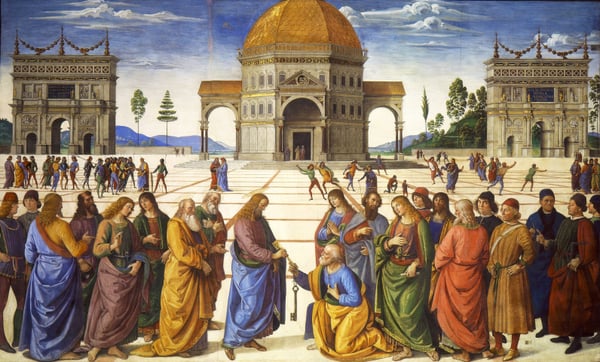
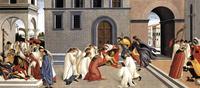
Analysis of "Christ Handing the Keys to St. Peter" by Pietro Perugino
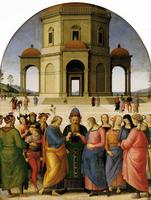
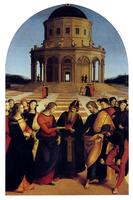
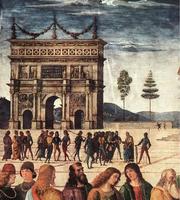
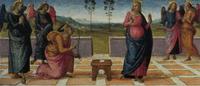
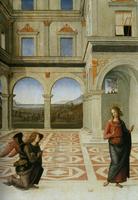
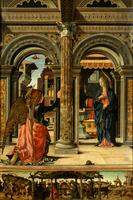
As an Early Renaissance religious painting by one of the period’s most influential masters, this work exemplifies the era’s pursuit of clarity, harmony, and spatial order. Perugino’s composition balances divine authority with humanist ideals—Christ’s handing of the keys to St. Peter is set in a serene, rationally organized landscape, reflecting the Early Renaissance fascination with perspective and geometric structure. The painting’s significance lies in its embodiment of the period’s transition from Gothic flatness to naturalistic depth, while its religious subject matter anchors the viewer in the central Christian narrative of apostolic succession. Perugino’s calm, idealized figures and measured use of light would later profoundly shape the High Renaissance style of his pupil Raphael, making this work a key touchstone for understanding the evolution of Renaissance art.