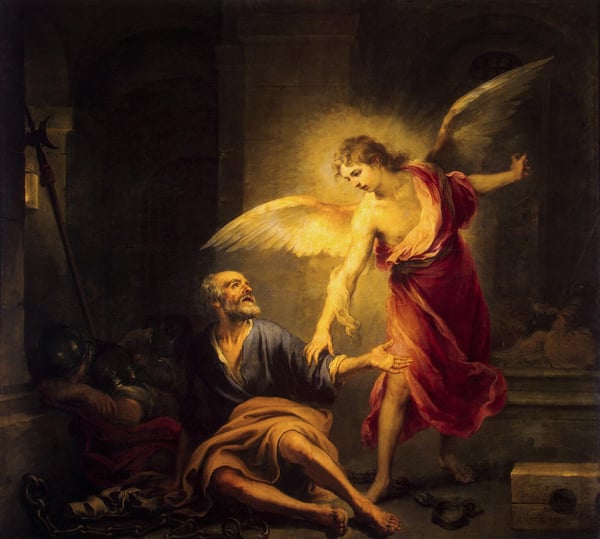
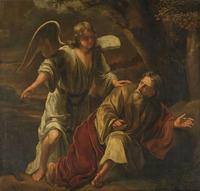
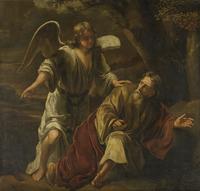
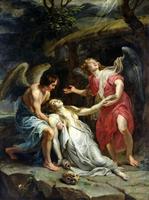
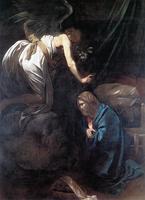
Bartolome Esteban Murillo’s Liberation of St. Peter stands as a masterful exemplar of Baroque religious painting, distinguished by its intimate, human-centered approach to a dramatic biblical miracle. While the Baroque style is often associated with grand theatricality and stark chiaroscuro (as seen in Caravaggio), Murillo here forges a softer, more tender intensity that underscores his unique contribution to Spanish Baroque art. The work’s significance lies in how it balances divine intervention with palpable human emotion: the angel’s serene, guiding presence and the saint’s dazed, vulnerable posture create a moment of quiet awe rather than violent rupture. This psychological depth, typical of Murillo’s religious scenes, invites the viewer into a personal, contemplative experience of faith. Furthermore, the composition uses subtle diagonals and a warm, golden light to focus attention on the liberating touch, embodying the Baroque fascination with movement and spiritual revelation while avoiding overwrought drama. In doing so, Murillo elevates the familiar narrative into a poignant meditation on deliverance—making the work a key example of how 17th-century Spanish Baroque reconciled naturalism with devotional poignancy.