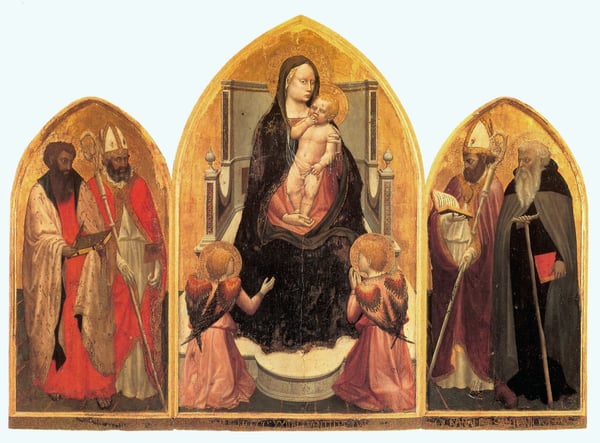
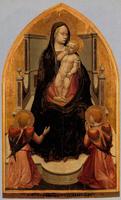
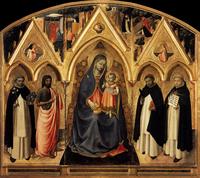
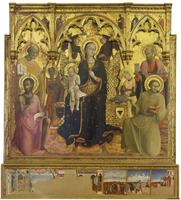
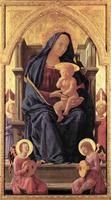
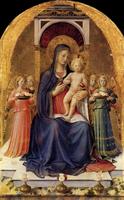
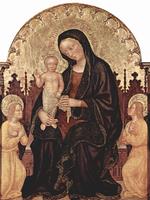
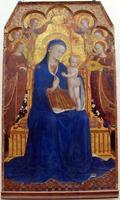
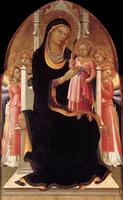
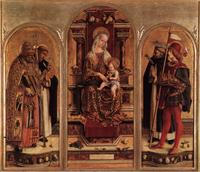
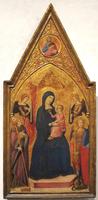
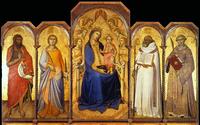
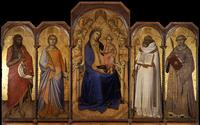
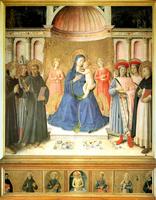
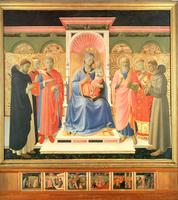
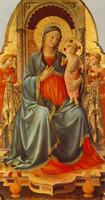
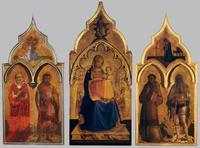
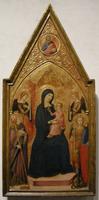
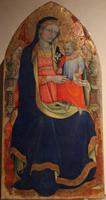
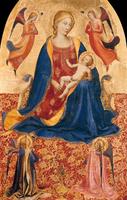
Based solely on the provided facts, the significance of the "St. Juvenal Triptych" by Masaccio lies in its position as a defining work of the Early Renaissance in the religious painting genre. As a triptych by Masaccio—a pioneer of the period—the artwork represents the pivotal shift from medieval Gothic conventions toward the naturalism, spatial coherence, and humanistic emotion that characterize the Early Renaissance. Its religious subject matter is deepened by Masaccio’s revolutionary use of perspective and chiaroscuro, which brought a new psychological and physical realism to sacred narratives. Thus, within its style and genre, this triptych is significant as an early embodiment of Renaissance ideals that would transform Western art.