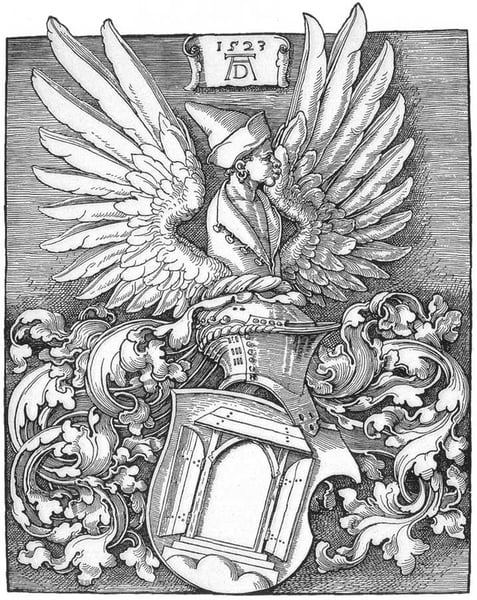
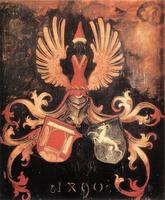
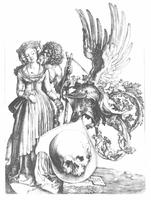
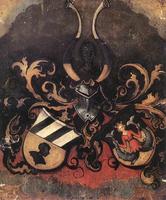
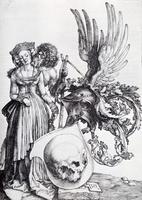
Expert Analysis of "Coat of Arms of the House of Dürer" by Albrecht Dürer
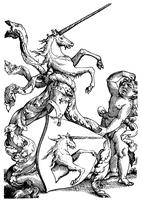
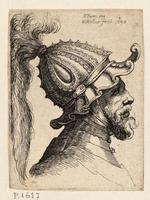
This work is significant within the Northern Renaissance as a masterful example of the design genre—a category that, in the hands of Albrecht Dürer, elevates heraldic tradition to a refined art form. Dürer’s coat of arms exemplifies the Northern Renaissance emphasis on intricate detail, symbolic precision, and naturalistic rendering, even within a structured emblematic format.
The piece’s importance lies in how it merges personal identity with the period’s broader intellectual currents. As a design for his own family’s heraldry, Dürer transforms a conventional coat of arms into a vehicle for self-representation and humanist pride. The careful balance of ornamental flourish and clear symbolic language reflects the Northern Renaissance fascination with order, lineage, and the artist’s growing status as a creative individual rather than a mere craftsman. In this work, Dürer demonstrates how design—often seen as a minor genre—could achieve the same meticulous observation and compositional harmony found in his paintings and prints, making it a significant document of both his personal legacy and the era’s artistic ideals.