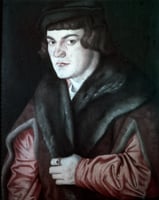
Hans Baldung sanatçısının Family coat of arms Baldung eseri hakkında uzman analizi
Tarz: Northern Renaissance · Tür: design
Expert Analysis: "Family coat of arms Baldung" by Hans Baldung
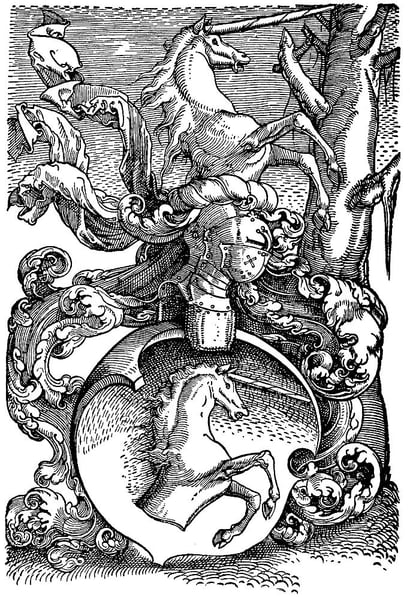
Executed in the Northern Renaissance style and categorized as a design, this work by Hans Baldung (also known as Hans Baldung Grien) exemplifies the period’s intricate synthesis of heraldic tradition, symbolic precision, and the emerging humanist interest in personal identity. As a design—likely a preparatory drawing or print for a stained-glass window or engraving—the piece showcases Baldung’s exceptional draftsmanship and his ability to distill complex allegorical meaning into a compact, emblematic form.
Significance within the Northern Renaissance:
-
Heraldry as Personal Expression: In the Northern Renaissance, coats of arms were not merely markers of lineage but also vehicles for individual achievements and intellectual aspirations. Baldung’s design for his own family crest elevates a conventional genre into a self-reflective statement. The inclusion of carefully rendered heraldic animals, mantling, and a crest helmet reflects the era’s fascination with chivalric codes and the rhetoric of nobility, even among artists seeking social prestige.
-
Mastery of Line and Detail: Northern Renaissance artists prized meticulous observation and fine linear control, especially in graphic arts. Baldung’s design demonstrates his command of delicate hatching and contour—hallmarks of the Dürer-influenced school. The interplay of decorative scrollwork (lambrequins) and the stark geometry of the shield creates a visual rhythm that balances order with organic flourish, a characteristic tension in German Renaissance ornament.
-
Symbolism and Allegory: While specific symbolic elements are not detailed here, Baldung’s work frequently infuses heraldic motifs with moral or mythological subtext. The coat of arms serves as a microcosm of the Northern Renaissance worldview: a fusion of earthly status and spiritual allegory, often tinged with Baldung’s own preoccupation with mortality and the fragility of fame.
-
Role of the Artist-Designer: This work is significant as a design—a conceptual blueprint intended for realization in another medium (e.g., stained glass, woodcut, or metalwork). In the Northern Renaissance, the distinction between artist and artisan was porous; Baldung, like Dürer, elevated such designs to autonomous art objects. The piece thus represents the period’s increasing valorization of the artist’s intellectual labor and inventive capacity, even within a conventional heraldic commission.
In summary, Family coat of arms Baldung is a quintessential Northern Renaissance design that marries heraldic tradition with the era’s drive for personal commemoration, technical virtuosity, and symbolic depth. It stands as a testament to Hans Baldung’s skill in transforming a formulaic genre into a refined expression of identity and artistry.
Görsel olarak benzer
İlişkili kompozisyon ve renk paletine sahip 20 eser
Family coat of arms Baldung
Hans Baldung
Coat Of Arms With Lion And Rooster
Albrecht Durer
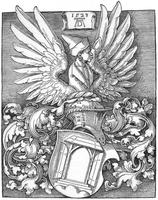
Coat of Arms of the House of Dürer
Albrecht Durer
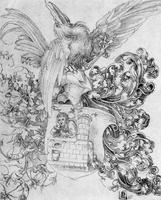
Coat of arms with open man behind
Albrecht Durer
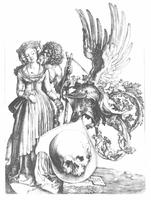
The coat of arms with the skull
Albrecht Durer
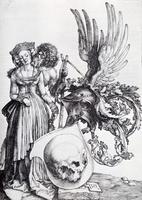
Coat Of Arms With A Skull
Albrecht Durer
Alliance Coat of Arms
Albrecht Durer
Combined Coat of Arms of the Tucher and Rieter Families
Albrecht Durer
Coat of arms Basler Adelberg III of Bear Rock, Lord Arisdorf
Hans Baldung
The arms of hetman Cyril Razumovsky
Heorhiy Narbut
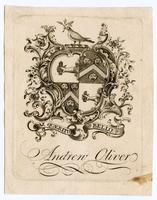
Andrew Oliver Bookplate
Paul Revere
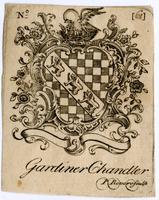
Gardiner Chandler Bookplate
Paul Revere
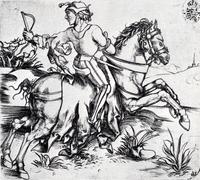
The Great Courier
Albrecht Durer
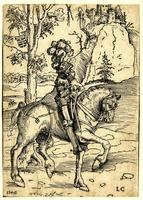
Knight in Armor Riding toward the Right
Lucas Cranach the Elder
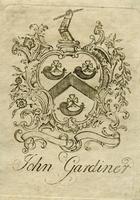
John Gardiner Bookplate
Paul Revere
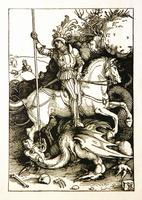
St. George and the Dragon
Albrecht Durer
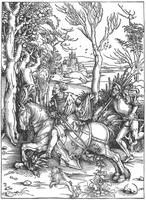
The Knight and the Landsknecht
Albrecht Durer
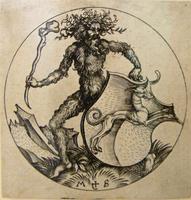
Wild man with shield
Martin Schongauer
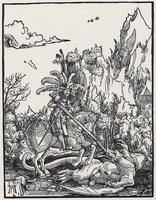
The St. George killing the dragon art
Albrecht Altdorfer
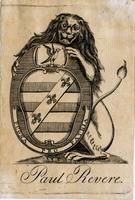
Paul Revere Bookplate
Paul Revere