Expert analysis of Gustave Dore’s Don Quixote
Style: Romanticism · Genre: illustration
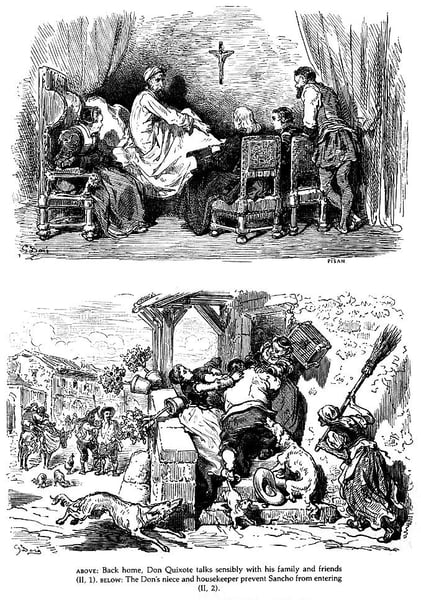
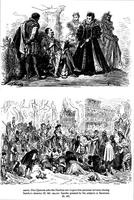
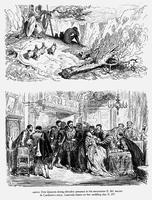
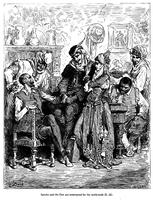
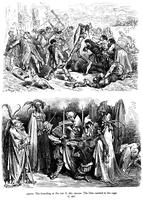
Gustave Doré’s illustration for Don Quixote is a defining example of Romanticism’s engagement with literature, imagination, and the sublime. Created during the height of the Romantic movement, the work transforms Cervantes’ novel into a visual narrative that emphasizes emotional intensity, dramatic contrast, and a sense of the monumental.
Significance within Romanticism:
Romanticism prized individual perception, emotion, and the power of the imagination over strict classical form. Doré’s illustration captures these ideals by focusing on Don Quixote’s inner world—his delusions, nobility, and tragic idealism. The composition typically places the knight in a vast, often desolate landscape, dwarfed by his surroundings. This scale evokes the Romantic fascination with the sublime: the awe-inspiring, terrifying beauty of nature that overwhelms the human figure. Doré uses deep shadows, sharp contrasts (chiaroscuro), and intricate linework to heighten the psychological tension, making the viewer feel both the grandeur and the pathos of Quixote’s quest.
Genre and Technical Mastery:
As an illustration, this work demonstrates Doré’s ability to merge text and image seamlessly. He was one of the most influential illustrators of the 19th century, and his Don Quixote plates (published in the 1860s) set a visual standard for the novel. His use of etching and engraving allowed for an extraordinary range of textures—from the fine details of Quixote’s rusted armor to the vast, wind-scoured plains of La Mancha. This technical precision, paired with Romantic emotionalism, made his illustrations not mere accompaniments but integral interpretations of the story.
Cultural and Artistic Impact:
Doré’s Don Quixote illustrations are significant because they helped solidify the visual identity of one of Western literature’s most iconic characters. His depiction—gaunt, erect, lost in thought—became the archetype for countless later portrayals. Moreover, the work exemplifies how Romantic illustration could elevate a commercial genre (book illustration) to the level of high art, influencing later movements such as Symbolism and even early cinema through its dramatic framing and storytelling power.
In sum, Doré’s Don Quixote is a masterpiece of Romantic illustration that captures the movement’s core tension between reality and imagination, while showcasing the artist’s unrivaled skill in bringing literary fantasy to vivid, haunting life.
Visually similar
20 works with related composition and palette
Don Quixote
Gustave Dore
Don Quixote
Gustave Dore
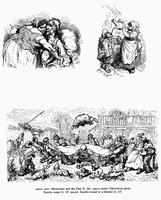
Don Quixote
Gustave Dore
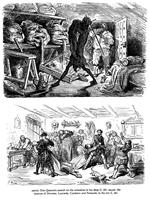
Don Quixote
Gustave Dore
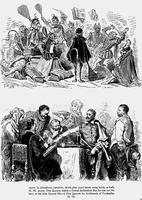
Don Quixote
Gustave Dore
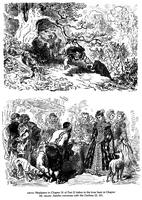
Don Quixote
Gustave Dore
Don Quixote
Gustave Dore
Don Quixote
Gustave Dore
Don Quixote
Gustave Dore
Don Quixote
Gustave Dore
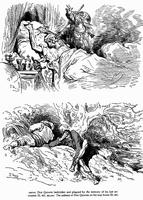
Don Quixote
Gustave Dore
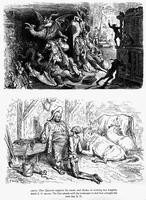
Don Quixote
Gustave Dore
Colonel Bouquet
Paul Revere
Mary Toft, apparently giving birth to rabbits
William Hogarth
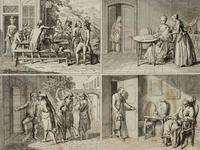
The Imprudence of the Second Youth, Plate 51
Daniel Chodowiecki
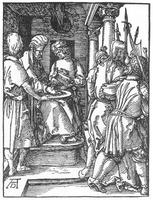
Pilate Washing His Hands
Albrecht Durer
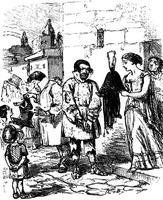
The Romans clothed by the Inhabitants of Capua
John Leech
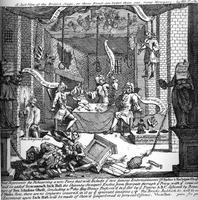
A Just View of the English Stage
William Hogarth
The Beheading of St John the Baptist
Albrecht Durer
Don Quixote
Gustave Dore