
Analisi esperta di Jesus And The Woman Taken In Adultery di Gustave Dore
Stile: Romanticism · Genere: religious painting
Expert Analysis of "Jesus and the Woman Taken in Adultery" by Gustave Doré
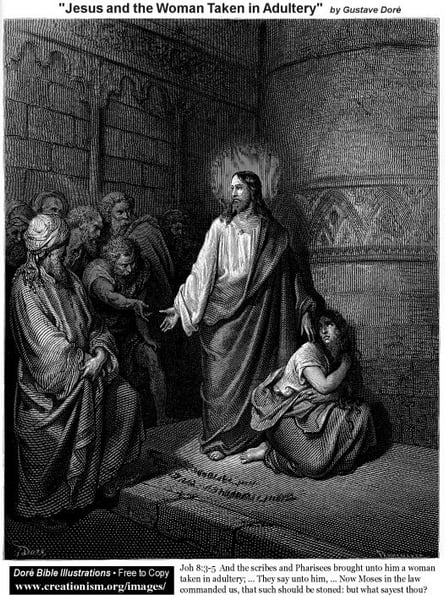
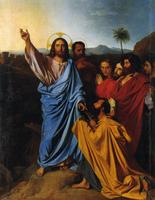
Gustave Doré’s Jesus and the Woman Taken in Adultery stands as a compelling example of Romantic religious painting, distinguished by its dramatic emotional intensity and masterful use of chiaroscuro. Executed in the mid-19th century, the work transforms a well-known biblical episode into a deeply human and theatrical moral confrontation, hallmarks of the Romantic style.
Significance within Romanticism and Religious Painting
-
Dramatic Narrative and Emotional Depth
The Romantic movement prized heightened emotion and psychological tension, and Doré delivers this by focusing on the pivotal moment of Jesus’s stooping to write in the dust. Unlike earlier, more static depictions, Doré’s composition is charged with anxious movement: the accusing Pharisees press forward with harsh, judgmental faces, while the woman cowers in shame and repentance. Jesus, calm and illuminated, becomes the moral fulcrum, his act of writing—both mysterious and deliberate—drawing the viewer into the silent verdict. The work’s power lies not in overt action but in the suspended breath of a community facing its own hypocrisy. -
Theatrical Light and Composition
Typical of Romantic painting, Doré employs a dramatic, almost theatrical light source emanating from behind Jesus, casting long shadows and highlighting the woman’s bent, vulnerable form. The darkness of the temple interior contrasts with the glowing figure of Christ, visually reinforcing the spiritual illumination that overcomes the crowd’s harshness. This chiaroscuro technique not only heightens tension but also directs the viewer’s empathy toward the accused, a disruptive choice for its time. -
Narrative Moment and Moral Complexity
Doré captures the precise instant of “He that is without sin among you, let him first cast a stone,” emphasizing the gravity of forgiveness over condemnation. The artwork’s significance lies in its refusal to simplify the scene into a mere lesson: the woman’s agony, the accusers’ rigid postures, and Jesus’s serene yet commanding presence create a multidimensional moral drama. This aligns with Romanticism’s interest in individual conscience and the sublime struggle between law and mercy. -
Influence of Doré’s Broader Work
As one of the most prolific illustrators of the 19th century, Doré brought his narrative skill from book illustration to large-scale painting. Jesus and the Woman Taken in Adultery showcases his ability to condense entire psychological narratives into a single frame. The work’s composition, with its dense human grouping and architectural framing, recalls his iconic Bible illustrations, yet here the painterly handling adds a visceral, emotional weight. It stands as a testament to Doré’s capacity to make religious subjects feel immediate, human, and profoundly unsettling.
In sum, this painting is significant for its Romantic reinterpretation of a biblical lesson: through light, gesture, and dramatic tension, Doré transforms a familiar story into a visceral exploration of guilt, forgiveness, and the social dynamics of judgment.
Visivamente simili
20 opere con composizione e palette affini
ChristIn The Synagogue
Gustave Dore
The Crown Of Thorns
Gustave Dore
The Disciples Plucking Corn On The Sabbath
Gustave Dore
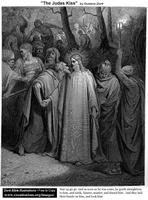
The Judas Kiss
Gustave Dore
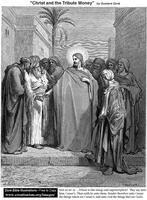
Christ And The Tribute Money
Gustave Dore
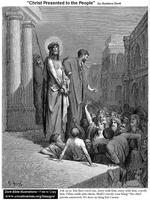
Christ Presented To The People
Gustave Dore
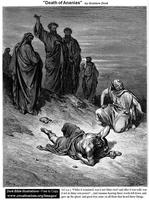
Death Of Ananias
Gustave Dore
The Judas kiss
Karl Bryullov
The Buyers And Sellers Driven Out Of Temple
Gustave Dore
Christ Mocked
Gustave Dore
Raising of Jairus Daughter
Ilya Repin
St. Paul Preaching To The Thessalonians
Gustave Dore
Jesus And The Woman Of Samaria
Gustave Dore
The Widow
Gustave Dore
Detail of the Dispute of the Sacrament of Raphael
Giovanni Battista Piranesi
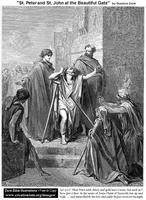
St. Peter And St John At Beautiful Gate
Gustave Dore
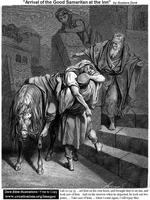
Arrival Of The Good Samaritan At The Inn
Gustave Dore
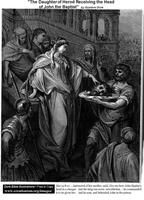
The Daughter Of Herod Head Of John The Baptist
Gustave Dore
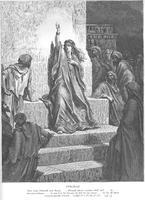
Deborah, engraved by Ettlin
Gustave Dore
Jesus Returning the Keys to St. Peter
Jean Auguste Dominique Ingres