
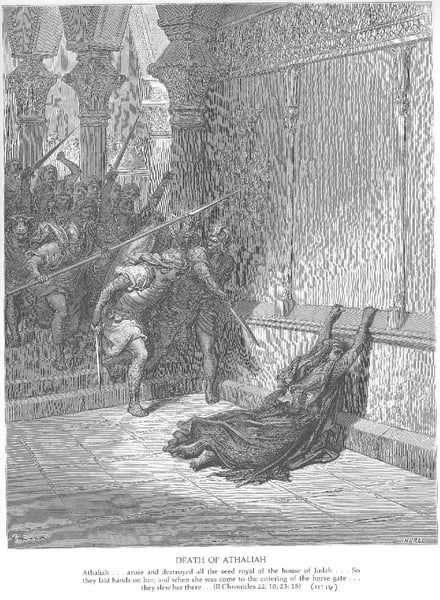
Expertenanalyse zu Gustave Dores The Death of Athaliah
Stil: Romanticism · Genre: religious painting
Expert Analysis: "The Death of Athaliah" by Gustave Doré
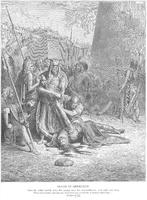
This work by Gustave Doré embodies the core tenets of Romanticism while operating within the genre of religious painting. Its significance lies in the way Doré harnesses the Romantic sensibility to reinterpret a violent biblical narrative, infusing it with intense emotion, dynamic composition, and a sublime sense of moral gravity.
Within the Romantic Style:
Romanticism rejected neoclassical restraint in favor of dramatic emotion, individual experience, and the awe-inspiring—often terrifying—power of the sublime. In The Death of Athaliah, Doré achieves this through chiaroscuro: deep shadows and stark highlights create a stage-like intensity, focusing the viewer’s eye on the queen’s fatal moment. The turbulent energy of the scene—perhaps the chaotic movement of figures or the stark contrast between light and dark—evokes the emotional extremity central to Romantic art. The subject itself, a tyrannical queen’s violent demise, aligns with the Romantic fascination with transgression, downfall, and the psychological weight of divine justice.
Within Religious Painting:
While the story of Athaliah (2 Kings 11) is a grim tale of usurpation and retribution, Doré transforms it into a spiritual drama. Religious painting of the period often served to illustrate moral lessons or biblical history, but here the emphasis is less on doctrinal instruction and more on the human—and superhuman—forces at play. Doré’s composition likely heightens the confrontation between the doomed queen and her executioners, making the divine judgment palpable. This merging of theatrical Romanticism with sacred narrative was significant in the 19th century, as artists like Doré bridged the gap between popular illustration and high art, making biblical stories accessible yet deeply moving.
Overall Significance:
“The Death of Athaliah” stands as a testament to Doré’s ability to fuse literary and historical grandeur with the raw, visceral power of Romanticism. It demonstrates how religious painting could transcend mere illustration to become a vehicle for exploring themes of power, death, and salvation—themes that resonate with the Romantic obsession with the limits of human experience. In doing so, Doré’s work not only captures a pivotal moment from scripture but also exemplifies the Romantic era’s profound reimagining of faith through the lens of emotion and the sublime.
Visuell ähnlich
20 Werke mit ähnlicher Komposition und Farbpalette
Jullieta Killed Along with Her Daughter, Tarsus, AD 304
Jan Luyken
The Martyrdom of Eleazar the Scribe
Gustave Dore
Felicitas Killed with Her 7 Sons, Rome, AD 104
Jan Luyken
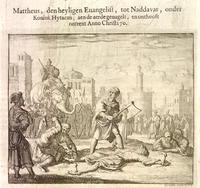
Evangelist Matthew Beheaded, Naddavar, Ethiopia, AD 70
Jan Luyken
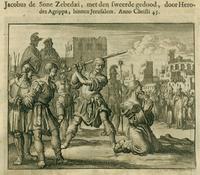
Apostle James Beheaded, AD 45
Jan Luyken
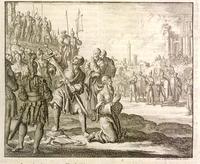
Apostle Paul Beheaded, Rome, AD 69
Jan Luyken
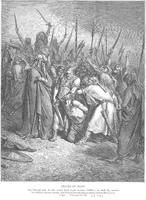
The Death of Agag
Gustave Dore
Christ Before Pilate
Albrecht Durer
Crucifixion of Apostle Matthew, AD 70
Jan Luyken
Crucifixion of Simon the Zealot, Syria, AD 70
Jan Luyken
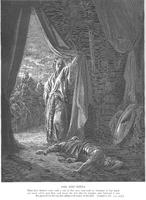
Jael Kills Sisera
Gustave Dore
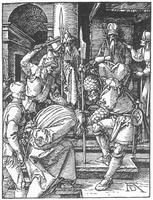
Christ before Annas
Albrecht Durer
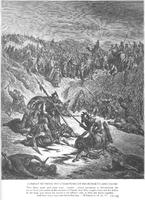
Combat between Soldiers of Ish-bosheth and David
Gustave Dore
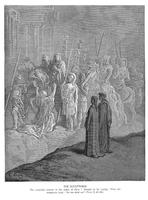
The Sculptures
Gustave Dore
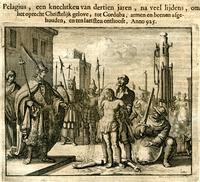
13 Year Old Pelagius Martyred, Cordoba, Spain, AD 925
Jan Luyken
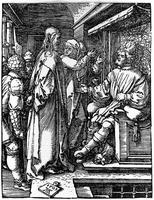
Christ before Herod
Albrecht Durer
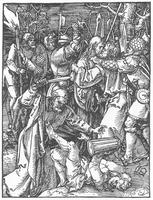
Christ Taken Captive
Albrecht Durer
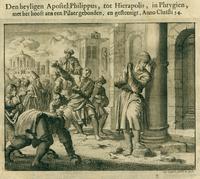
Stoning of Apostle Philip, Hierapolis, Phrygia, AD 54
Jan Luyken
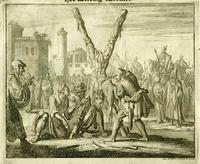
Apostle Bartholomew Skinned Alive and Beheaded, Armenia, AD 70
Jan Luyken
The Death of Abimelech
Gustave Dore