
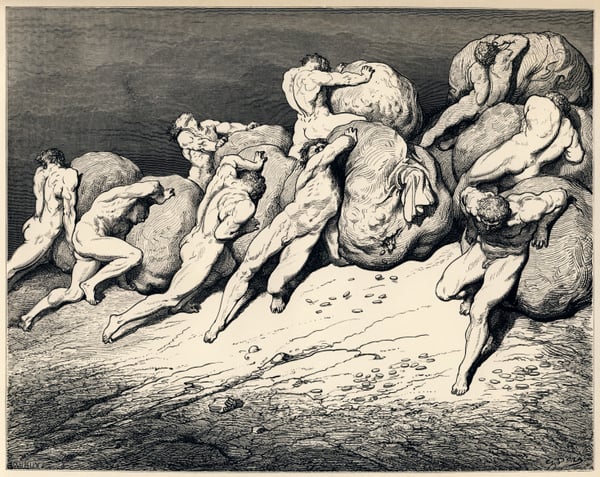
Gustave Dore の The hoarders and wasters の専門的な分析
スタイル:Romanticism · ジャンル:illustration
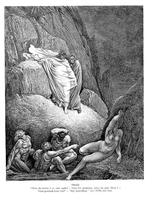
Analysis of Gustave Doré’s "The Hoarders and Wasters"
Gustave Doré’s illustration for Dante’s Inferno, Canto VII, captures the eternal punishment of the hoarders (misers) and wasters (spendthrifts) — two groups condemned to clash against each other, rolling massive stones that symbolize their earthly obsessions with wealth. Executed with Doré’s signature dramatic chiaroscuro and meticulously detailed linework, this image stands as a quintessential example of Romanticism in the genre of illustration.
Significance in Romanticism:
Doré’s work embodies the Romantic fascination with the sublime — the terrifying yet awe-inspiring power of the imagination and the supernatural. The scene is flooded with infernal gloom, jagged rocks, and writhing figures locked in perpetual conflict. The exaggerated gestures and contorted bodies convey raw emotional intensity and moral anguish, hallmarks of Romanticism’s rejection of Neoclassical restraint. Doré transforms Dante’s theological vision into a visceral, almost cinematic nightmare, emphasizing human folly and the psychological weight of sin.
Significance as an Illustration:
Doré elevated book illustration from mere decoration to a powerful narrative art form. His ability to translate Dante’s poetic allegory into a single, densely layered image demonstrates an unparalleled skill in visual storytelling. The composition forces the viewer’s eye into the chaotic scramble — the hoarders push stones forward, the wasters push them back — mirroring the futile cycle of greed and excess. This illustration not only clarified but amplified the text’s emotional resonance, making Dante’s medieval epic accessible and profoundly moving to a 19th-century audience.
Legacy:
Doré’s illustrations for The Divine Comedy (1861) remain among the most influential interpretations of the poem. "The Hoarders and Wasters" exemplifies his mastery of chiaroscuro (deep shadows cutting through the underworld light), dynamic composition (the diagonal thrust of bodies against a dark void), and expressive anatomy (each figure frozen in a moment of eternal striving). As a Romantic illustrator, Doré bridged high art and popular literature, proving that the printed page could carry the same emotional weight as a history painting — a legacy that resonates in graphic novels and fantasy art to this day.
視覚的に類似
構図やパレットが近い作品 20 件
The Avariscious and Prodigal
Gustave Dore
The Inferno, Canto 18
Gustave Dore
The Clash of the Titans
Gustave Dore
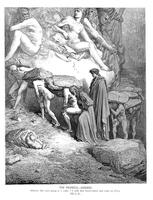
The Prideful--Oderisi
Gustave Dore
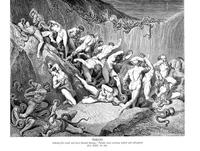
Thieves
Gustave Dore
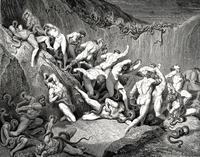
The Inferno, Canto 24
Gustave Dore
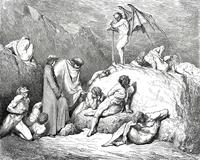
The Inferno, Canto 28
Gustave Dore
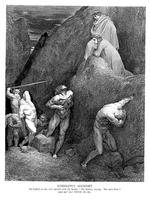
Schismatics--Mahomet
Gustave Dore
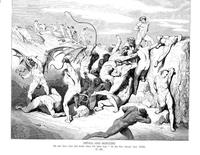
Devils and Seducers
Gustave Dore
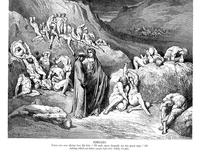
Forgers II
Gustave Dore
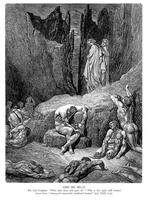
Geri Del Bello
Gustave Dore
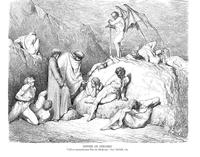
Sower of Discord
Gustave Dore
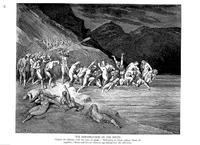
The Embarkation of the Souls
Gustave Dore
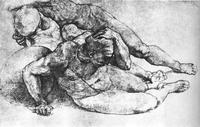
Study of Three Male Figures (after Raphael)
Michelangelo
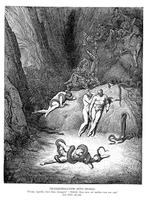
Transformation into Snakes
Gustave Dore
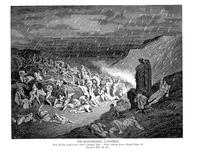
The Blasphemers--Capaneus
Gustave Dore
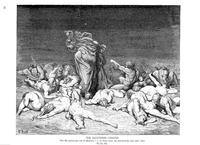
The Gluttons--Ciacco
Gustave Dore
Two Figures
Michelangelo
Illustration to Milton`s Paradise Lost
William Blake
Thais
Gustave Dore