Analisi esperta di The Inferno, Canto 5 di Gustave Dore
Stile: Romanticism · Genere: illustration
Based solely on the structured facts provided, this analysis emphasizes the artwork’s significance within the Romantic style and its role as an illustration.
Expert Analysis of "The Inferno, Canto 5" by Gustave Doré
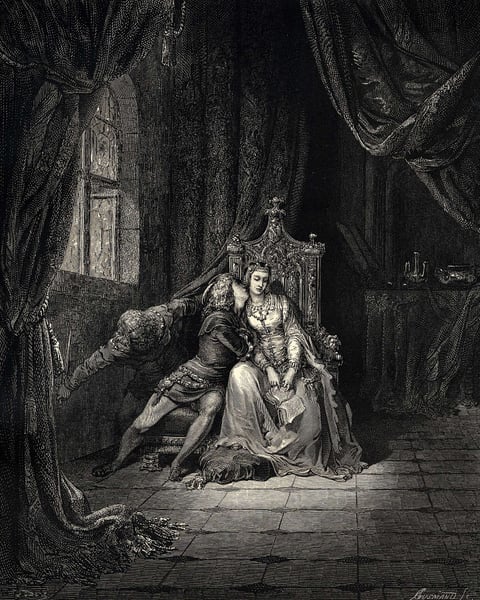
Gustave Doré’s illustration of Inferno, Canto 5 is a masterful exemplar of Romanticism applied to literary interpretation. This artwork is significant for its ability to translate Dante’s poetic vision into a visual experience that prioritizes raw emotion, sublime terror, and psychological depth over classical restraint.
Key aspects of its significance:
-
Sublime Scale and Dramatic Tension: True to Romantic ideals, Doré renders the scene as a vast, overwhelming spectacle. The swirling, chaotic forms of the damned lovers—Paolo and Francesca—are engulfed by a relentless, dark whirlwind. This composition emphasizes humanity’s insignificance against the forces of nature and divine judgment, a hallmark of the Romantic sublime. The use of deep shadow and stark light (chiaroscuro) heightens the sense of struggle and impending doom.
-
Psychological Realism within a Supernatural Framework: Rather than merely depicting a punishment, Doré captures the intimate tragedy of the characters. Francesca’s clinging form and Paolo’s anguished expression convey a profound sense of longing and sorrow, not just damnation. This focus on interior emotion—the Romantic obsession with the individual’s passionate, often tormented, soul—makes the illustration more than a literal scene; it becomes a study of guilt, love, and irreversible fate.
-
Elevating Illustration to High Art: Doré’s work demonstrates the Romantic belief that illustration could be a serious artistic genre, not just a decorative adjunct to text. His bold, expressive linework and atmospheric darkness transformed Dante’s medieval allegory into a 19th-century Romantic experience. The artwork’s significance lies in its fusion of literary narrative with the visual language of Romanticism—melodrama, dynamism, and a fascination with the macabre and the passionate.
Conclusion: This illustration is significant because it epitomizes the Romantic treatment of literary themes: turning a specific moment from Dante into a universal, emotionally charged tableau of human suffering and sublime power. Doré’s work here remains a definitive visual representation of Canto 5, setting a standard for how Romantic art can give tangible, visceral form to the most ethereal and tragic elements of poetry.
Visivamente simili
20 opere con composizione e palette affini
Paolo and Francesca
Gustave Dore
Don Quixote
Gustave Dore
Heimdallr returns the necklace Bryfing to Freyja
Nils Blommér
Moses Brought to the Pharaoh's Daughter
William Hogarth
Meditation
Anatole Vely French
Don Quixote
Gustave Dore
Alexander the Great as a Judge
Willem van Swanenburg
Paolo and Francesca
Frank Dicksee
King Mark slew the noble knight Sir Tristram
N.C. Wyeth
Charles VI and Odette de Champdivers
Eugene Delacroix
Samson and Delilah
Gustave Dore
Honoric, King of the Vandals, Eaten by Worms and Lice, AD 477
Jan Luyken
King László V and Ulrik Cillei
Bertalan Szekely
Orlando Furioso
Gustave Dore
Henry IV Recieving The Ambassador of Spain
Jean Auguste Dominique Ingres
Joseph and Potiphar`s wife
Rembrandt
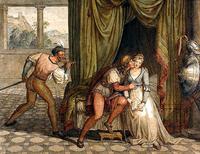
Paolo Da Malatesta and Francesca Da Rimini Surprised by Gianciotto Malatesta
Joseph Anton Koch
Vityaz (Knight)
Ivan Mrkviсka
Homage to Clovis II
Albert Maignan
The letter
Gerolamo Induno