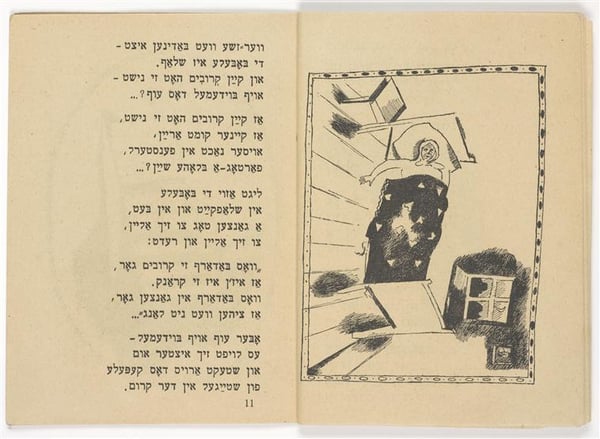
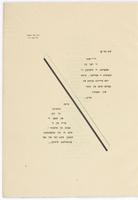
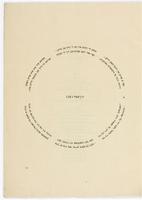
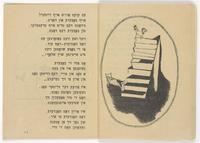
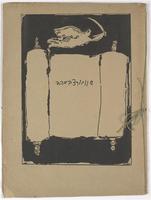
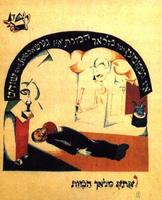
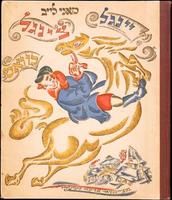
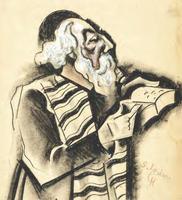
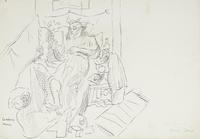
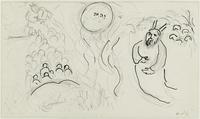
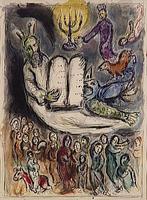
Marc Chagall's "The Story of the Rooster. The little goat" exemplifies the artist's distinctive fusion of Naïve Art (Primitivism) with narrative illustration, a combination that underscores his significance within early 20th-century modernism. As an illustration, the work is not merely decorative but functions as a visual story—likely drawn from folkloric or personal mythology—where animals such as the rooster and goat serve as symbolic protagonists. The Naïve style, characterized by flattened perspective, bold outlines, and childlike simplicity, allows Chagall to bypass academic conventions and tap into a more instinctual, emotional form of storytelling. This approach aligns with the Primitivist fascination with pre-industrial, folk, and non-Western art, yet Chagall infuses it with his own Jewish cultural heritage and dreamlike imagination. The piece's significance lies in how it bridges high art and popular illustration, elevating the humble fable into a timeless allegory. Chagall’s use of vibrant, often irrational color and spatial dislocation—hallmarks of his mature work—here serves the narrative’s whimsical gravity, making the ordinary extraordinary and reaffirming Naïve art’s power to express profound human truths through direct, unpretentious imagery.