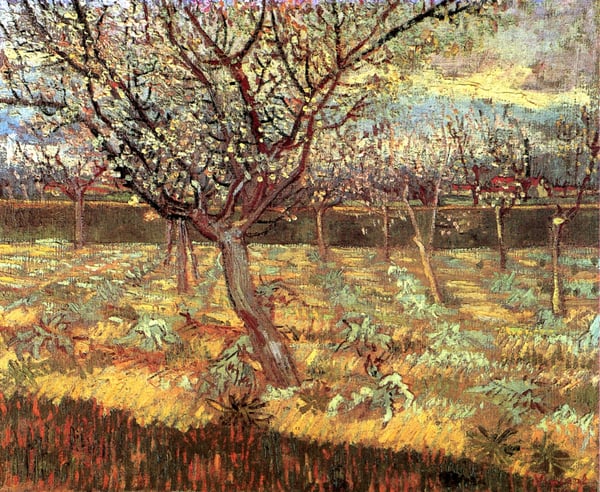
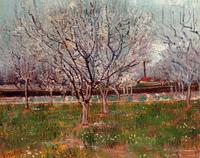
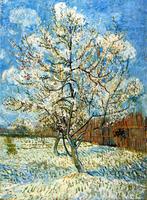
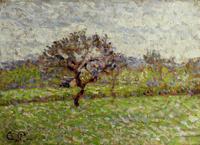
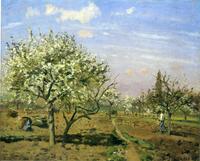
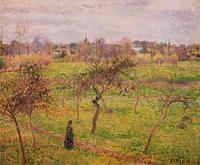
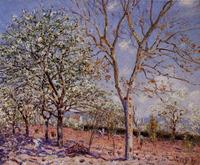
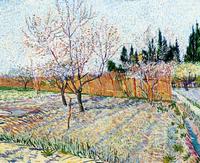
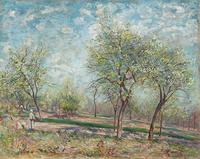
Expert Analysis of "Apricot Trees in Blossom" by Vincent van Gogh
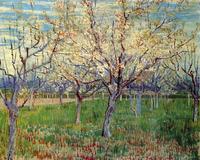
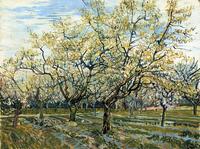
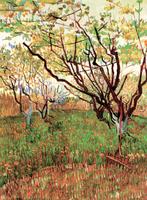
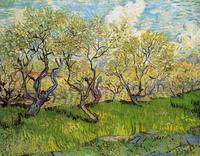
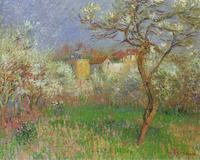
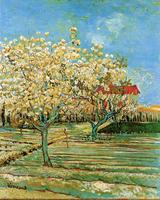
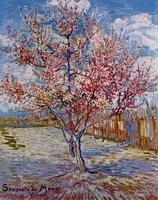
As a Post-Impressionist landscape, this work exemplifies the movement’s radical departure from naturalistic representation. Van Gogh’s choice of a blossoming orchard—a recurring subject in his œuvre—is significant within Post-Impressionism for its emphasis on emotional resonance over literal accuracy. The genre of landscape is here transformed into a vehicle for subjective expression, where the artist’s personal vision (his intense engagement with color, texture, and symbolic meaning) aligns with the core Post-Impressionist impulse to convey inner states through heightened form and feeling. The work’s significance lies in how it pushes the landscape genre beyond mere documentation toward a vivid, almost spiritual dialogue between nature and the artist’s psyche, marking a pivotal moment in the evolution of modern art.