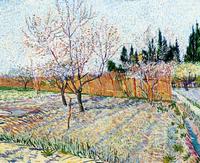
Expert Analysis: "Orchard in Blossom" by Vincent van Gogh
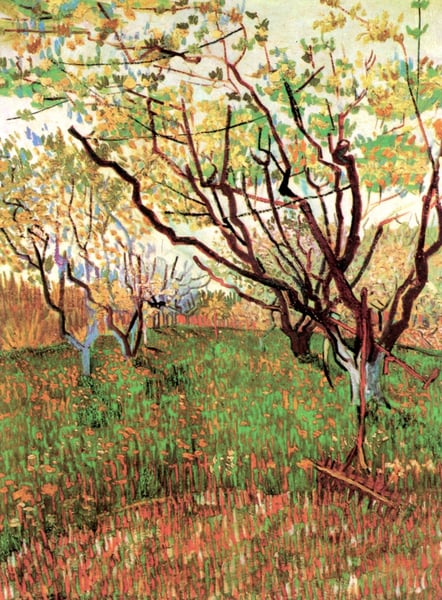
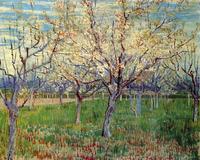
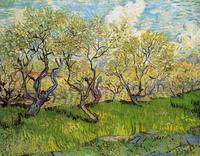
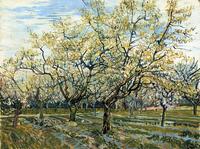
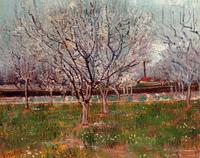
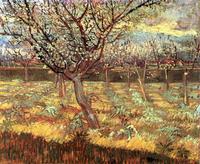
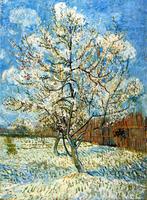
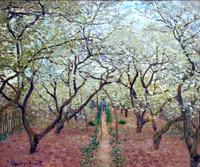
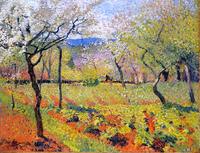
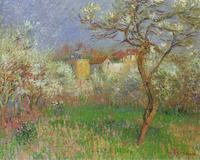
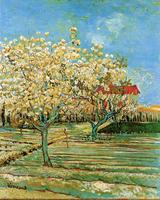
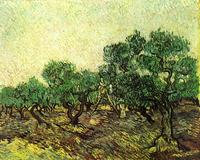
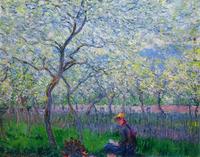
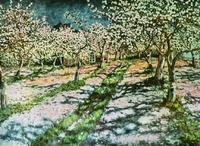
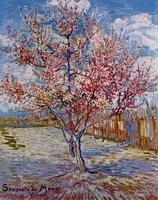
As a Post-Impressionist landscape, this work exemplifies van Gogh’s radical departure from Impressionist naturalism. Painted during his prolific Arles period, the artist transforms a simple orchard scene into a vibrant, emotionally charged composition. The significance lies in van Gogh’s expressive use of color and impasto brushwork—trademarks of his mature style—which convey the fleeting beauty of spring blossoms with almost sculptural intensity. Within the Post-Impressionist movement, this piece reflects a shift toward subjective perception and symbolic resonance: the blossoming trees become metaphors for renewal, life, and perhaps the artist’s own hopeful yearning. Van Gogh’s orchards are among his most iconic landscapes, demonstrating how a conventional subject can be reimagined through daring contrasts (blue sky against white and pink petals) and rhythmic, swirling strokes that pulse with emotional energy. This work thus stands as a key example of how Post-Impressionism liberated color and form from mere description, paving the way for Expressionism and modern art.