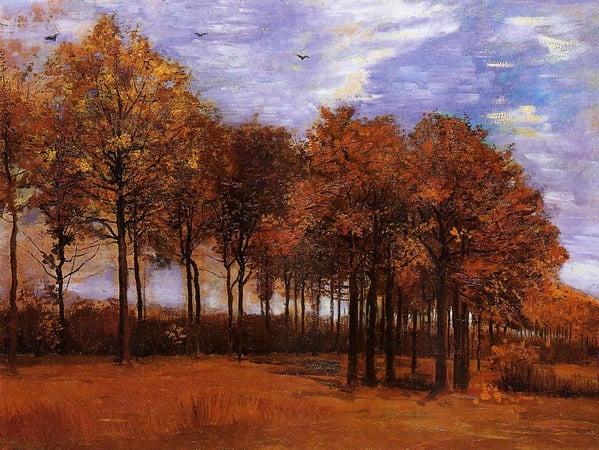
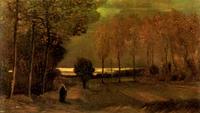
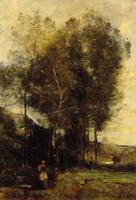
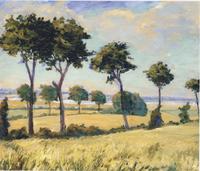
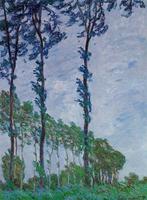
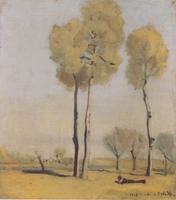
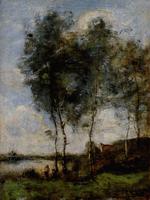
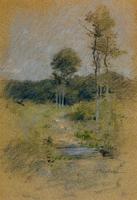
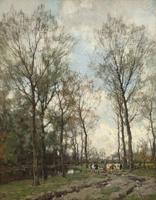
Based solely on the structured facts provided, the significance of Vincent van Gogh’s Autumn Landscape lies in its demonstration of the artist’s committed adherence to Realism within the traditional landscape genre. While van Gogh is famously associated with his later Post-Impressionist works, this piece exemplifies his early, disciplined focus on capturing the natural world with objective, unembellished fidelity. In this context, the work stands as a testament to his foundational skill: the ability to render the subtle, transient effects of an autumnal scene—its muted earth tones, the play of light on dying leaves, and the honest, unromanticized structure of the terrain. Its significance is rooted in its pure, unsentimental observation of nature, a hallmark of the Realist movement, and provides an essential counterpoint to the emotional expressionism that would later define his career.