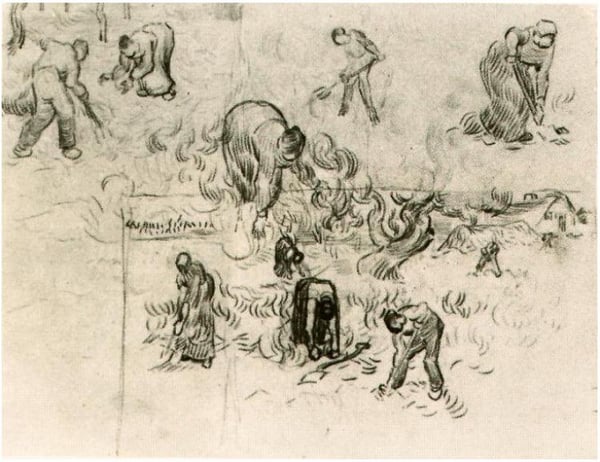
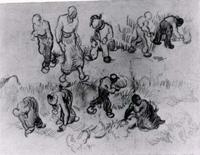
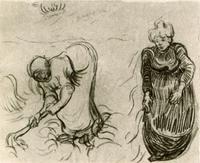
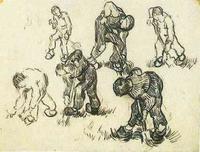
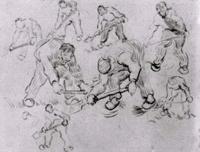
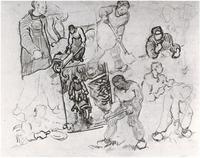
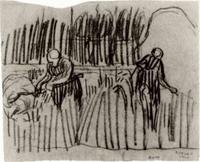
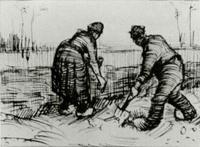
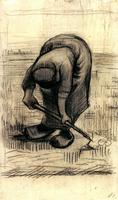
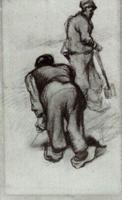
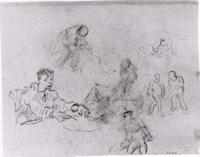
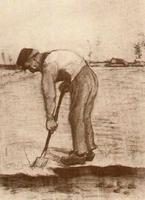
Analysis of "Sheet with Sketches of Working People" by Vincent van Gogh
Style: Post-Impressionism | Genre: Sketch and Study
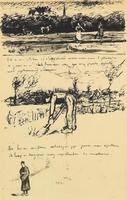
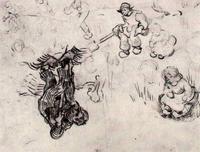
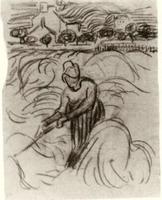
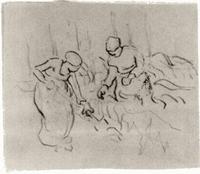
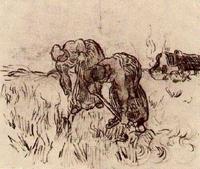
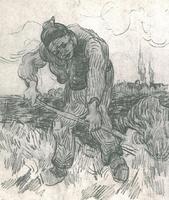
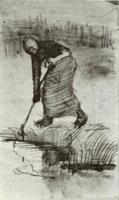
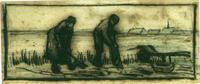
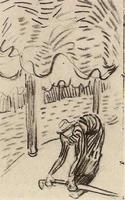
This work is a quintessential example of van Gogh’s early commitment to depicting the dignity and hardship of rural laborers—a theme that would anchor his artistic identity. As a sketch and study, it reveals the deliberate, searching process behind his more finished Post-Impressionist canvases.
Within the context of Post-Impressionism, van Gogh moved beyond the fleeting optical effects of Impressionism to convey psychological and emotional weight. Here, the rapid, vigorous pencil or charcoal marks do not merely record a scene; they translate the physical strain of working bodies into raw, gestural lines. The unfinished nature of the sheet is its strength: it captures direct observation, the urgency of a moment, and the artist’s empathy for his subjects.
The significance lies in how this study functions as a bridge. It shows van Gogh honing the expressive distortion and rhythmic contour that would define his mature style—from the monumental "The Potato Eaters" to later wheat field and sower motifs. In this sheet, we witness the foundational practice of a Post-Impressionist who treated the ordinary worker as a vessel for universal human experience, making the sketch itself a powerful statement of social conscience and artistic innovation.