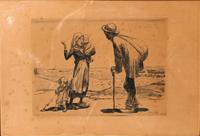
Expert Analysis of "The Goat Herd" by Vincent van Gogh
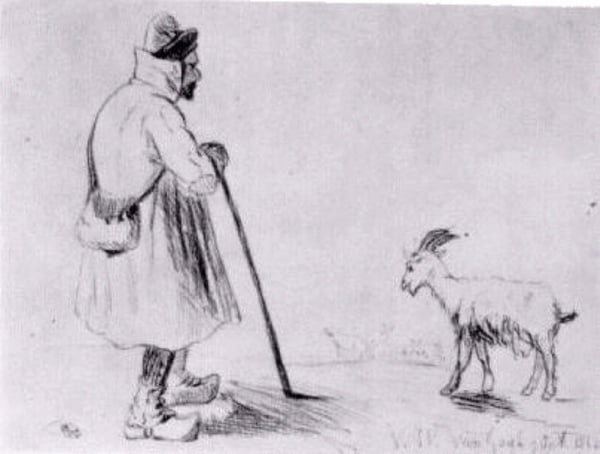
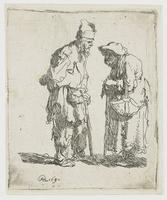
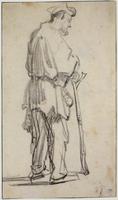
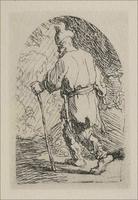
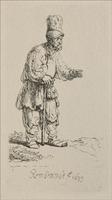
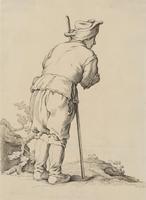
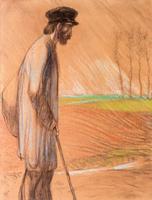
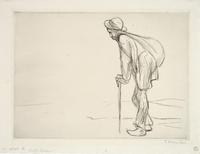
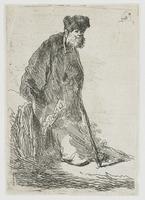
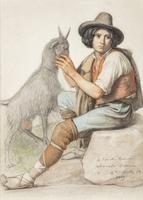
As a sketch and study executed in the Realist style, "The Goat Herd" is significant for revealing van Gogh’s early, disciplined commitment to observing everyday rural life—a core tenet of Realism. Here, the artist moves beyond idealized pastoral scenes to capture the unglamorous yet authentic labor of a goat herder, focusing on the figure’s relationship with the landscape and animals. The work’s status as a study is key: it functions as a preparatory exercise, allowing van Gogh to explore form, shadow, and composition without the polish of a finished painting. This raw, analytical approach underscores his methodical training in capturing peasant life, a theme he would later transform in his post-Impressionist works. As a Realist sketch, it stands as a testament to van Gogh’s foundational skills in observation and his serious engagement with the social realities of his time—traits that define his artistic genesis before his signature expressive style emerged.