
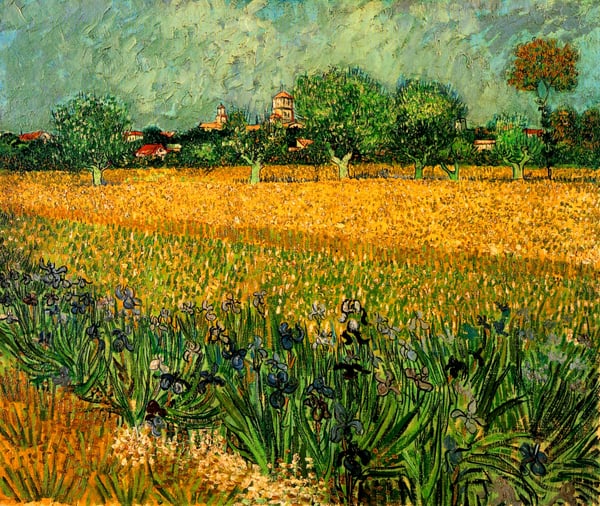
View of Arles with Irises in the Foreground
Details
Expertenanalyse zu Vincent van Goghs View of Arles with Irises in the Foreground
Stil: Post-Impressionism · Genre: landscape
Expert Analysis: "View of Arles with Irises in the Foreground" by Vincent van Gogh
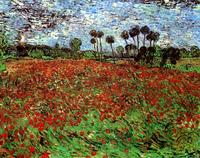
This work is a quintessential example of van Gogh’s Post-Impressionist landscape painting, capturing the vibrant countryside of Arles in southern France. The painting’s significance lies in its bold departure from naturalistic representation toward an emotionally charged, expressive use of color and brushwork.
Stylistic Significance within Post-Impressionism:
- Expressive Color: Van Gogh employs intense, non-naturalistic hues—the vivid blues and purples of the irises contrast sharply with the warm yellows and greens of the field and town. This use of complementary colors heightens the visual tension and emotional impact, a hallmark of his mature style.
- Dynamic Brushwork: The thick, swirling strokes (impasto) create a tactile, rhythmic surface that conveys the artist’s inner state—a sense of urgency and vitality. The irises in the foreground are rendered with quick, dabbing marks, while the distant buildings and sky show broader, directional strokes, drawing the eye through the composition.
- Personal Symbolism: Irises often appear in van Gogh’s work as symbols of life, renewal, or the fleeting beauty of nature. Here, they anchor the foreground, leading the viewer into the expansive view of Arles—a subject van Gogh painted repeatedly to capture its unique light and rural character.
What Makes It Significant:
- Transition to Modernism: This landscape exemplifies Post-Impressionism’s move away from objective depiction toward subjective emotion, directly influencing early 20th-century movements such as Fauvism and Expressionism.
- Van Gogh’s Arles Period: Painted during one of his most prolific and psychologically intense phases (1888–1889), the work reflects his search for a “synthesis” of nature and feeling. The view of Arles, with its fields, orchards, and distant buildings, becomes a stage for personal vision rather than a literal record.
- Enduring Impact: The combination of saturated color, energetic texture, and personal subject matter makes this painting a powerful statement of van Gogh’s artistic philosophy: that art should convey the artist’s emotional response to the world, not just its outward appearance.
In summary, View of Arles with Irises in the Foreground is significant as a vivid demonstration of Post-Impressionist innovation, where van Gogh transforms a simple landscape into a radiant, deeply personal vision that continues to define the emotional potential of modern painting.
Museum / Gallery
Visuell ähnlich
20 Werke mit ähnlicher Komposition und Farbpalette
Wheat Field with the Alpilles Foothills in the Background
Vincent van Gogh
Wheat Field at Auvers with White House
Vincent van Gogh
Farmhouses in a Wheat Field Near Arles
Vincent van Gogh
Landscape with the Chateau of Auvers at Sunset
Vincent van Gogh
Wheat Field
Vincent van Gogh
Walnut trees at sunset in early October
Alfred Sisley
Plain near Auvers
Vincent van Gogh
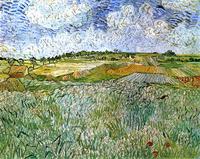
The Plain at Auvers
Vincent van Gogh
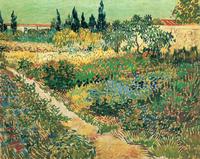
Garden with Flowers
Vincent van Gogh
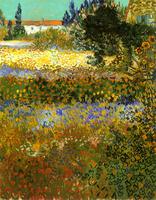
Flowering Garden
Vincent van Gogh
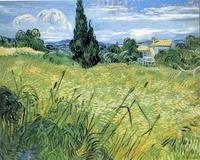
Green Wheat Field with Cypress
Vincent van Gogh
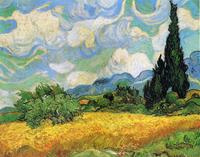
Wheat Field with Cypresses at the Haude Galline near Eygalieres
Vincent van Gogh
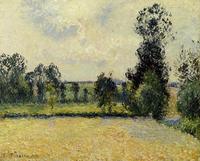
Field of Oats in Eragny
Camille Pissarro
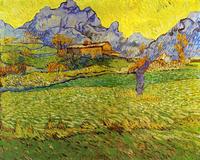
A Meadow in the Mountains: Le Mas de Saint-Paul
Vincent van Gogh
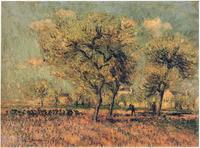
Spring Landscape
Gustave Loiseau
Springtime at Eragny (study)
Camille Pissarro
Wheat Fields at Auvers Under Clouded Sky
Vincent van Gogh
Garden Behind a House
Vincent van Gogh
An Apple Tree at Eragny
Camille Pissarro
Field with Poppies
Vincent van Gogh