
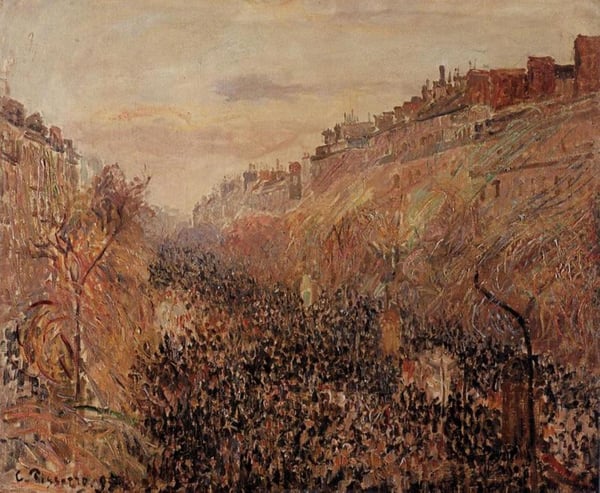
Expertenanalyse zu Camille Pissarros Mardi Gras, Sunset, Boulevard Montmartre
Stil: Impressionism · Genre: cityscape
Camille Pissarro’s “Mardi Gras, Sunset, Boulevard Montmartre” (1897) stands as a masterful example of late Impressionist cityscape painting, where the artist’s lifelong commitment to capturing transient light and modern life reaches a celebratory peak. The work is part of Pissarro’s famous series of views of the Boulevard Montmartre in Paris, painted from a hotel window, a project that allowed him to systematically explore how atmosphere and time of day transform a single urban scene.
Significance within Impressionism:
-
Transient Light and Atmosphere: The “sunset” condition is pivotal. Pissarro dissolves the solid forms of the boulevard into dappled, warm hues—oranges, pinks, and muted purples—that blur the boundaries between sky, architecture, and the bustling crowd. This embodies the Impressionist goal of capturing the “instantaneous effect” of light, a fleeting moment that could never be replicated exactly.
-
Mardi Gras as a Fleeting Spectacle: The choice of Mardi Gras adds a specific, ephemeral event to the scene. The holiday’s temporary decorations, costumed revelers, and festive energy are rendered not as static details but as shimmering patches of color and movement. Pissarro emphasizes the rhythm of the crowd and the flicker of sunset light on carriages and umbrellas, turning a holiday into a study of impermanence.
-
Urban Modernity as a Subject: Like other Impressionists, Pissarro elevates the modern city—its boulevards, traffic, and social life—to the status of high art. Here, the boulevard is not a backdrop but the protagonist, its deep perspective drawing the eye through a haze of light and activity. This work exemplifies how Impressionism turned the everyday spectacle of Paris into a legitimate and poetic subject.
-
Serial Exploration: Pissarro’s Boulevard Montmartre series (he painted over a dozen versions) is a landmark in Impressionist serialism, paralleling Monet’s Rouen Cathedral or Haystacks. By revisiting the same viewpoint at different times, Pissarro demonstrates that an identical location is visually transformed by the shifting qualities of light, weather, and human activity. “Mardi Gras, Sunset” is the most carnivalesque, joyous variation—a synthesis of the series’ core thesis.
In summary, this painting is significant for its technical virtuosity in rendering sunset’s warm, dissolving light, its documentation of a specific urban festival, and its place within Pissarro’s pioneering serial approach. It captures both the fleeting spectacle of Mardi Gras and the enduring Impressionist belief that true beauty lies in the transient play of light and life.
Museum / Gallery
Genre
Stil
Visuell ähnlich
20 Werke mit ähnlicher Komposition und Farbpalette
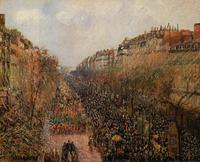
Boulevard Montmartre Mardi Gras
Camille Pissarro
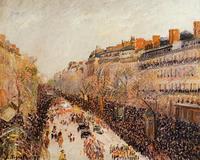
Mardi Gras on the Boulevards
Camille Pissarro
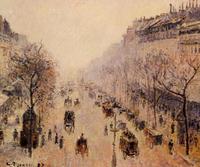
Boulevard Montmartre Morning, Sunlight and Mist
Camille Pissarro
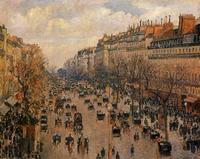
Boulevard Montmartre Afternoon, Sunlight
Camille Pissarro
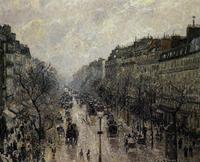
Boulevard Montmartre Foggy Morning
Camille Pissarro
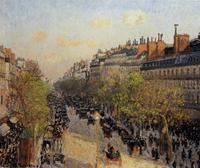
Boulevard Montmartre, Sunset
Camille Pissarro
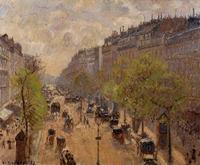
Boulevard Montmartre, Spring
Camille Pissarro
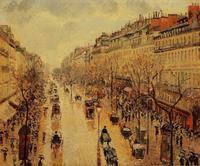
Boulevard Montmartre Afternoon, in the Rain
Camille Pissarro
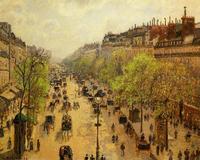
Boulevard Montmartre Spring
Camille Pissarro
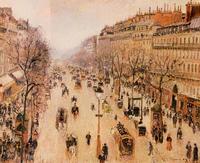
Boulevard Montmartre Morning, Grey Weather
Camille Pissarro
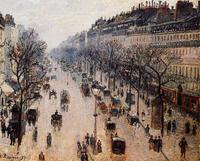
Boulevard Montmartre Winter Morning
Camille Pissarro
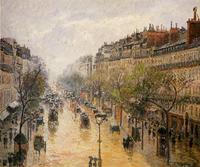
Boulevard Montmartre, Spring Rain
Camille Pissarro
Boulevard Montmartre Spring Rain
Camille Pissarro
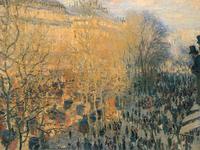
Boulevard of Capucines
Claude Monet
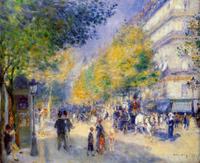
The Great Boulevards
Pierre-Auguste Renoir
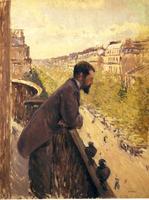
Man on a Balcony
Gustave Caillebotte
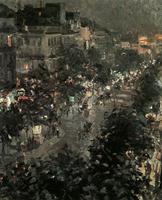
Paris at Night. Boulevard des Italiens
Konstantin Korovin
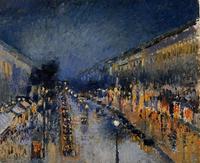
The Boulevard Montmartre at Night
Camille Pissarro
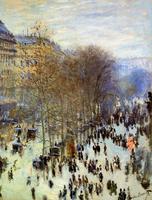
Boulevard of Capucines
Claude Monet
Boulevard des Italiens
Gustave Caillebotte