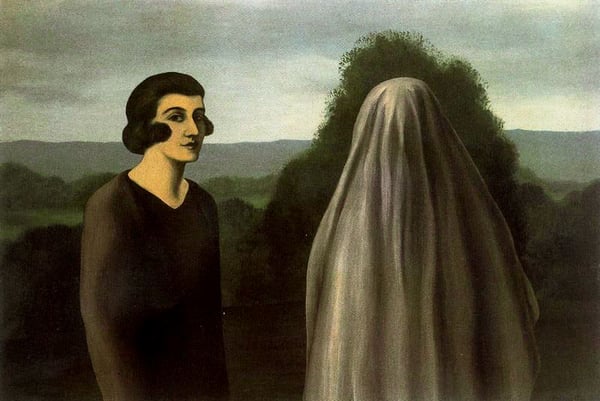
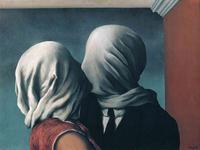
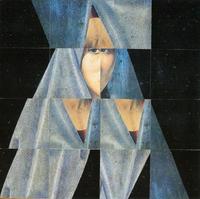
Based solely on the structured facts provided, "The invention of life" by René Magritte is a significant work within the Surrealist movement, specifically during the Surrealist Paris years (c. 1927–1930). As a symbolic painting, it exemplifies Magritte's central Surrealist strategy: using precise, almost academic representation to depict ordinary objects in disorienting, impossible relationships—thereby “inventing” new realities that challenge rational perception. The title itself suggests a core Surrealist concern: the power of art to generate alternate modes of existence, transcending mere depiction. Within the Paris period, Magritte refined this approach, moving away from the biomorphic forms of earlier Surrealism toward a crisp, enigmatic clarity. The work’s significance lies in how it embodies the movement’s shift from automatic writing to calculated, thought-provoking imagery, making the familiar strange and forcing viewers to question the very nature of reality and invention.