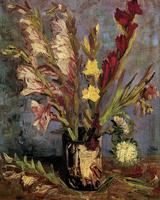
Expert Art Historical Analysis
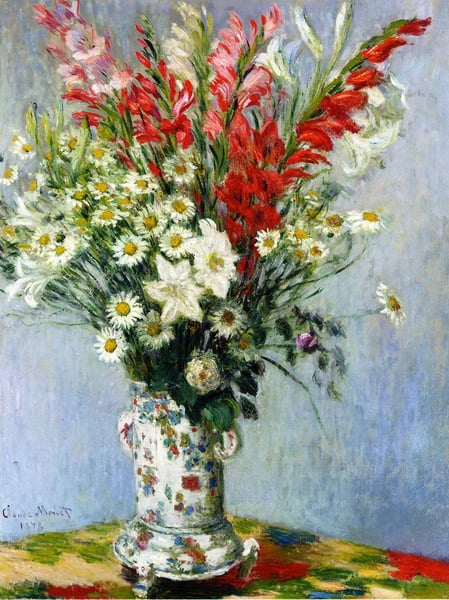
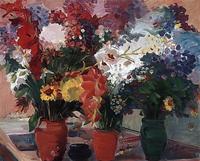
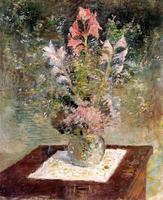
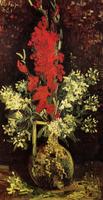
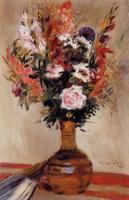
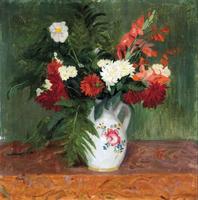
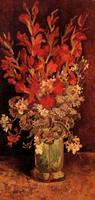
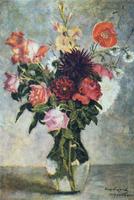
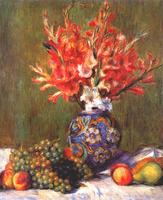
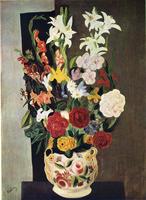
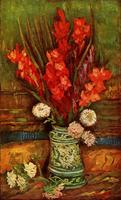
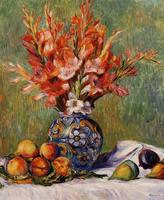
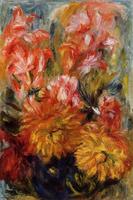
Claude Monet’s Bouquet of Gladiolas, Lilies and Daisies stands as a quintessential example of Impressionist flower painting, a genre in which the artist masterfully applied the core tenets of the movement. The work’s significance lies in its deliberate departure from traditional still-life conventions: instead of meticulous botanical accuracy, Monet prioritizes the fleeting effects of light and color. The bouquet is rendered with loose, visible brushstrokes that capture the vibrant interplay of gladiolas, lilies, and daisies, dissolving their individual forms into a shimmering tapestry of hue and texture. This approach elevates the painting beyond mere representation, making the viewer keenly aware of the artist’s perceptual experience in a specific moment. Within the Impressionist style, such flower paintings were crucial experiments in the optical blending of colors and the depiction of atmosphere, and Monet’s composition here demonstrates both spontaneity and a refined sensitivity to natural harmony, reinforcing the movement’s revolutionary emphasis on subjective sensation over objective detail.