
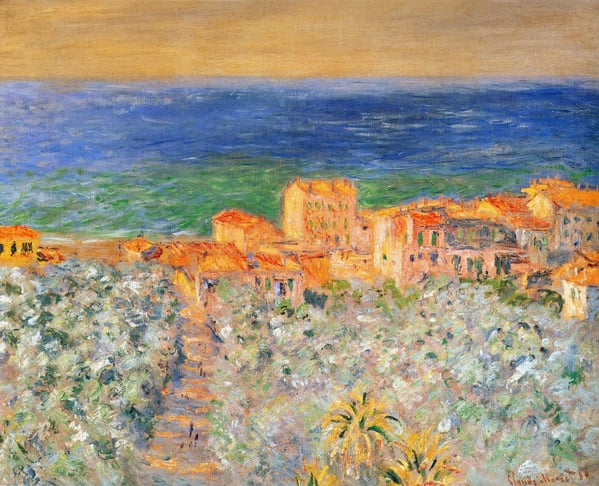
Expert analysis of Claude Monet’s Burgo Marina at Bordighera
Style: Impressionism · Genre: cityscape
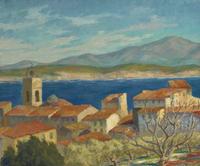
This analysis is based solely on the provided structured facts: an artwork titled "Burgo Marina at Bordighera" by Claude Monet, created in the Impressionist style and categorized as a cityscape.
Significance within Impressionism: This artwork exemplifies Monet's commitment to the core tenets of Impressionism—namely, the depiction of a specific, contemporary scene (a cityscape) observed from a direct, natural perspective. As a cityscape, it captures the fleeting effects of light and atmosphere on the built environment and waterfront, a hallmark of Impressionist urban views. Monet’s role as a leading figure in the movement lends the piece historical importance: it represents his ongoing exploration of how a single location (here, Bordighera) can be transformed by changing conditions of light and weather, a practice that defined his revolutionary approach to painting. The genre itself—cityscape—was central to Impressionism’s break from history painting, elevating ordinary urban life and tourist destinations (like the Italian Riviera) to subjects worthy of fine art.
Visually similar
20 works with related composition and palette
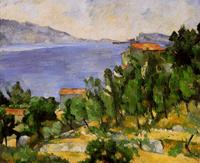
The Bay of L'Estaque from the East
Paul Cezanne
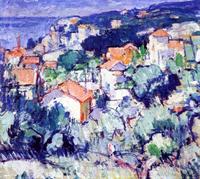
Landscape, South of France
Samuel Peploe
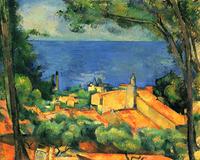
L'Estaque with Red Roofs
Paul Cezanne
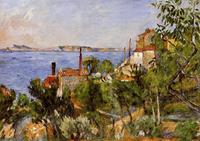
Landscape. Study after Nature
Paul Cezanne
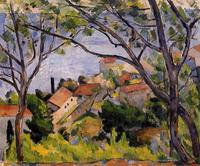
L'Estaque. View through the Trees
Paul Cezanne
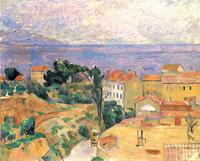
View of L'Estaque
Paul Cezanne
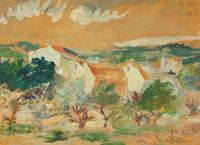
Balchik Landscape
Lucian Grigorescu
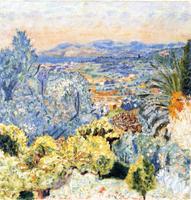
The Cote d'Azur
Pierre Bonnard
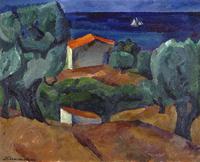
Cassis
Pyotr Konchalovsky
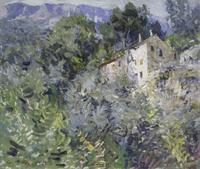
In the south of France
Konstantin Korovin
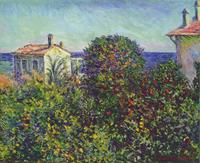
Bordighera, the House of Gardener
Claude Monet
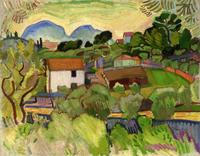
The River
Raoul Dufy
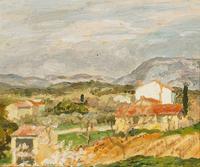
Sketch for 'Sanary, France'
Rupert Bunny
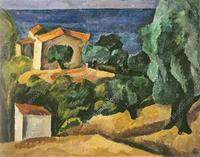
Cassis. Sea.
Pyotr Konchalovsky
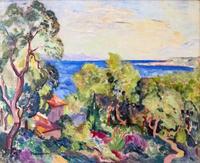
Le Golfe
Henri Manguin
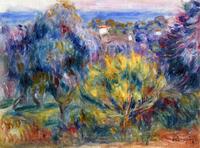
Landscape with a View of the Sea
Pierre-Auguste Renoir
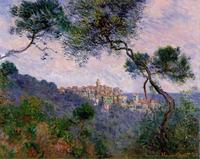
Bordighera, Italy
Claude Monet
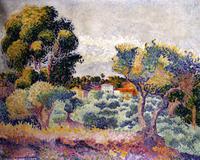
Untitled
Henri-Edmond Cross
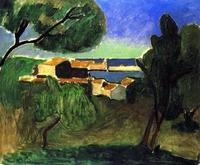
Landscape at Collioure III
Henri Matisse
Blue day, Bandol
Rupert Bunny