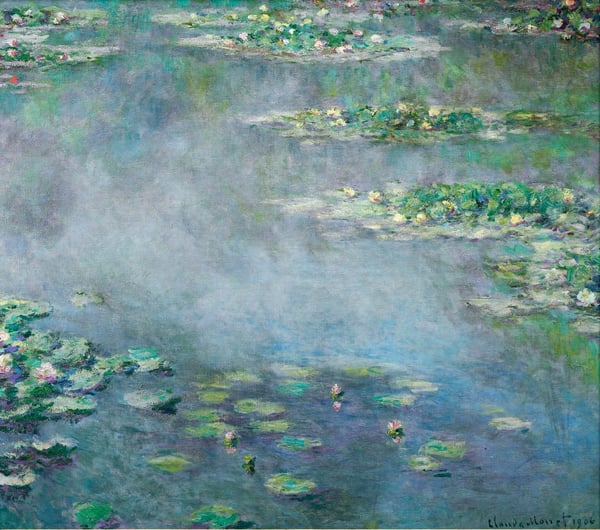
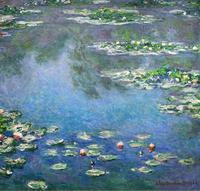
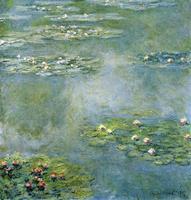
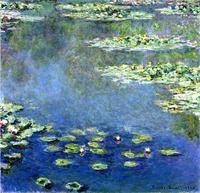
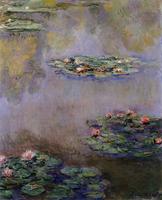
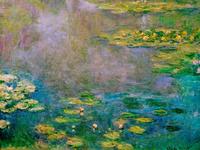
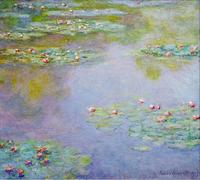
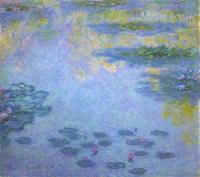
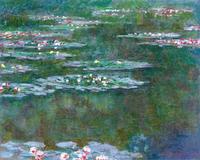
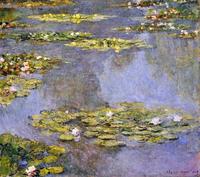
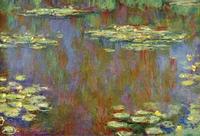
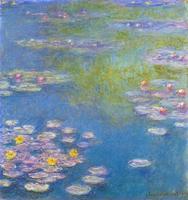
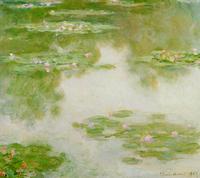
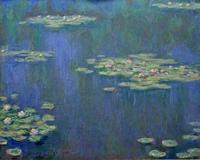
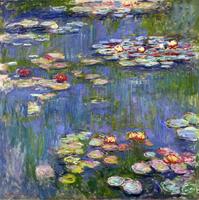
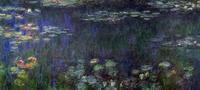
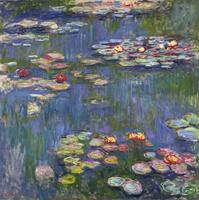
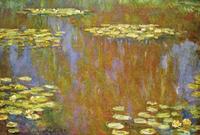
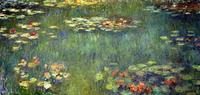
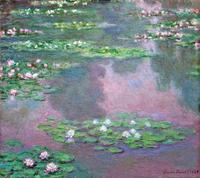
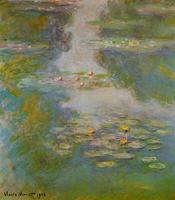
As an expert art historian, I can confirm that "Water Lilies" by Claude Monet is a quintessential example of Impressionism in the flower-painting genre. Its significance lies in how it epitomizes the core ambitions of the Impressionist style: capturing the fleeting effects of light, atmosphere, and color through loose, visible brushstrokes rather than precise botanical detail. Monet’s focus on water lilies—a motif he returned to obsessively—allowed him to dissolve the boundary between subject and reflection, pushing the boundaries of landscape painting toward a more abstract, sensory experience. This work stands out as a masterful synthesis of the movement’s key innovations: a vibrant, broken-color palette, plein-air immediacy, and a dedicated exploration of how light transforms a single scene over time. In doing so, "Water Lilies" not only defines the height of Impressionist flower painting but also anticipates later developments toward modern abstraction.