
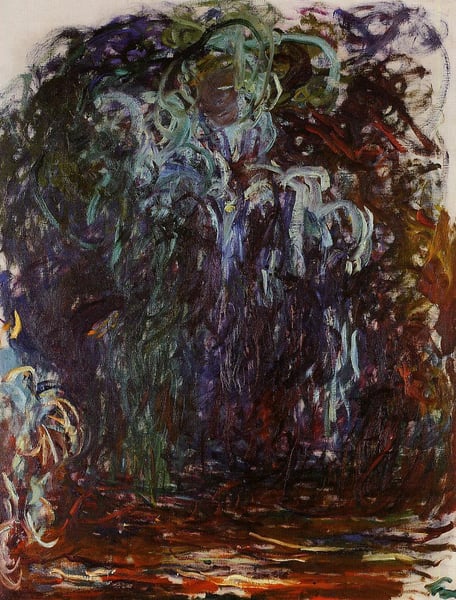
Expertenanalyse zu Claude Monets Weeping Willow
Stil: Impressionism · Genre: landscape
Expert Analysis: "Weeping Willow" by Claude Monet
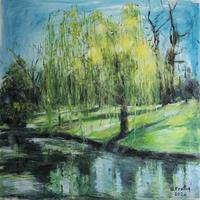
As an Impressionist landscape, Claude Monet’s Weeping Willow exemplifies the movement’s revolutionary focus on capturing the ephemeral effects of light, atmosphere, and color rather than precise detail. The weeping willow—a recurrent motif in Monet’s later work—allowed him to explore the interplay of reflections on water and the dissolving forms of nature, which was central to his artistic practice. The significance of this painting lies in its embodiment of Impressionist principles: loose, visible brushwork; a vibrant palette; and the depiction of a moment rather than a static scene. By rendering the tree’s cascading branches in shifting light, Monet emphasizes the transient beauty of the natural world, asserting the primacy of sensory experience over academic conventions. This work stands as a testament to Monet’s lifelong dedication to portraying the subtle variations of light and mood—a hallmark of Impressionism’s enduring legacy.
Museum / Gallery
Visuell ähnlich
20 Werke mit ähnlicher Komposition und Farbpalette
Weeping Willow, Giverny
Claude Monet
Weeping Willow, Giverny
Claude Monet
Weeping Willow
Claude Monet
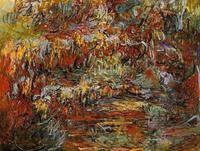
The Japanese Bridge 8
Claude Monet
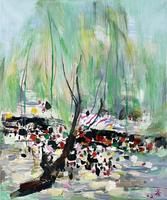
Love in Fangzhuang
Wu Guanzhong
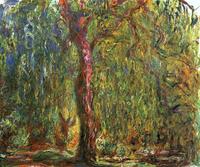
Weeping Willow
Claude Monet
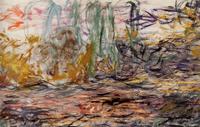
Water Lilies (left half)
Claude Monet
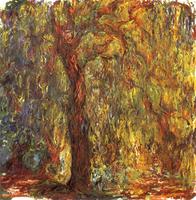
Weeping Willow
Claude Monet
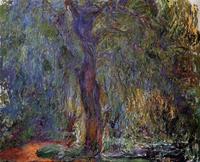
Weeping Willow
Claude Monet
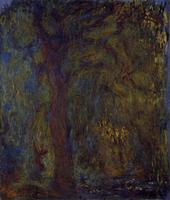
Weeping Willow
Claude Monet
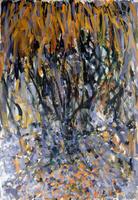
Tilleul
Joan Mitchell
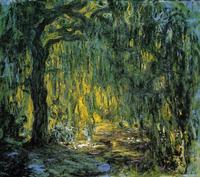
Weeping Willow
Claude Monet
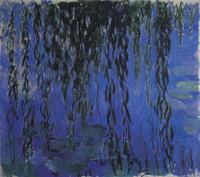
Water Lilies and Weeping Willow Branches
Claude Monet
Water Lilies (right half)
Claude Monet
1925 - Willow Tree, Rooiplaat Farm, Northern Transvaal - Sunrise
Jacobus Hendrik Pierneef
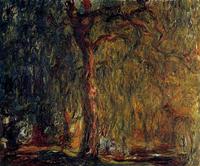
Weeping Willow
Claude Monet
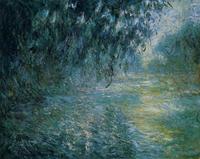
Morning on the Seine in the Rain
Claude Monet
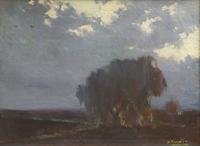
Nocturne
Xavier Martinez
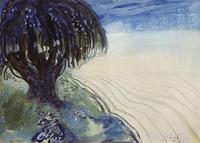
By the sea
Martiros Sarian
Trauerweide
Gazmend Freitag