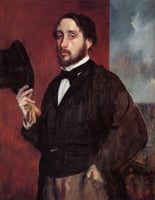
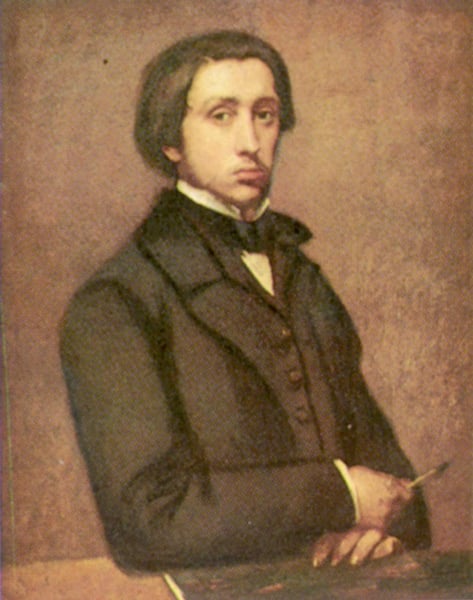
Analisi esperta di Self-portrait di Edgar Degas
Stile: Impressionism · Genere: self-portrait
This self-portrait by Edgar Degas stands as a revealing study of the artist’s own psychological depth within the Impressionist movement. Rather than capturing the fleeting effects of light or outdoor scenes—hallmarks of his peers—Degas turns the lens inward, embracing the intimacy of a studio-based genre. The work is significant for its demonstration of Degas’s distinctive approach to Impressionism: a rigorous emphasis on line, structure, and unconventional composition, often suppressing the spontaneous brushwork associated with other Impressionists. By depicting himself in a straightforward, almost detached manner, Degas highlights his role as a cool observer of modern life—even of his own image. This self-portrait thus serves as a key document of the artist’s intellectual rigor and his personal contribution to expanding the scope of Impressionist subject matter beyond landscapes and social scenes into the realm of psychological introspection.
Museum / Gallery
Visivamente simili
20 opere con composizione e palette affini
Portrait of Edgar Germain Hilaire Degas
Giovanni Boldini
Poles, Alexander A.
Vasily Tropinin
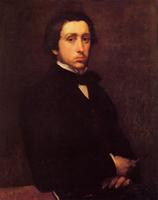
Self Portrait
Edgar Degas
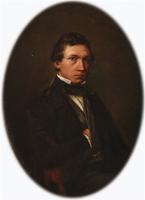
Portrait of the artist's eldest brother J. P. Bloch
Carl Bloch
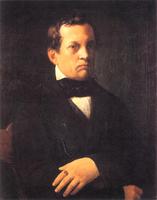
Serafiński
Jan Matejko
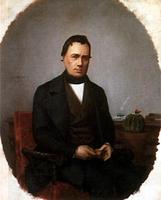
Portrait of a Cactus Collector
Jean-Leon Gerome
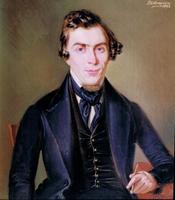
Zelfportret
Pieter Alardus Haaxman
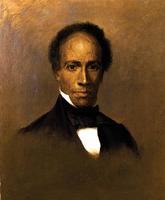
Edward James Roye
Thomas Sully
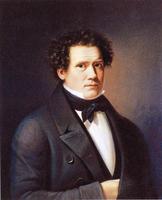
Self Portrait
Johan Erik Lindh
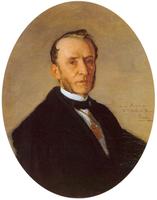
Vicente Asuero y Cortázar
Eduardo Rosales
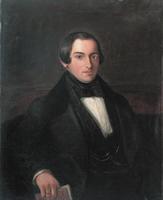
Portrait of Ary Prins
Raden Saleh
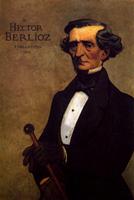
Portrait of Berlioz
Felix Vallotton
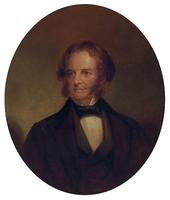
Portrait of Henry Wadsworth Longfellow
Thomas Buchanan Read
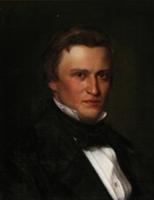
Portrait of director and shipowner Gustav Johannes Sommer
Carl Bloch
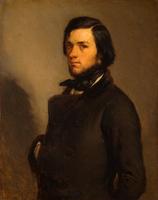
Portrait of a man
Jean-Francois Millet
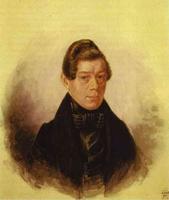
Portrait of M. M. Rodivanovsky
Pavel Fedotov
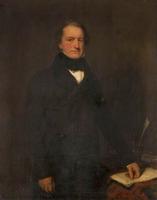
John T. Alston (1780–1857), Provost of Glasgow (1820–1821)
John Graham-Gilbert
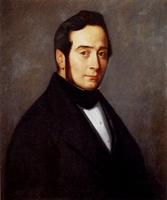
Portrait Of Eugene Canoville
Jean-Francois Millet
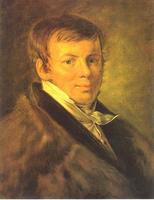
Portrait of V.S. Eneva
Vasily Tropinin
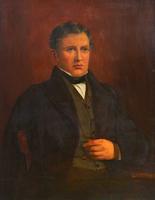
Samuel Gilmour
David Scott