Kuzma Petrov-Vodkin sanatçısının African boy eseri hakkında uzman analizi
Tarz: Post-Impressionism · Tür: portrait
Expert Analysis of African Boy by Kuzma Petrov-Vodkin
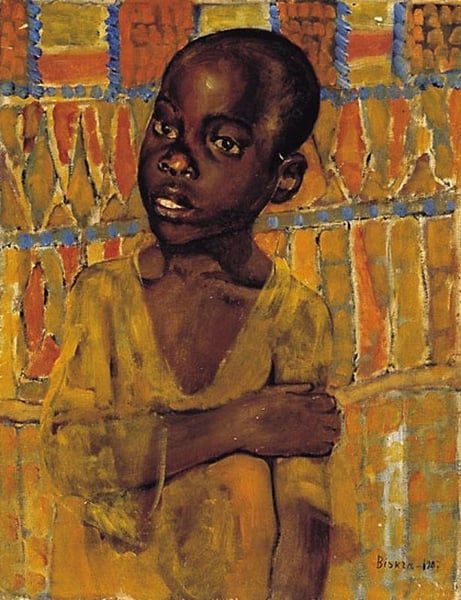
Kuzma Petrov-Vodkin’s African Boy is a striking portrait that exemplifies the transformative spirit of Post-Impressionism while asserting the artist’s individual vision. Painted in the early 20th century, this work moves beyond mere representation to explore the emotional and symbolic potential of color, form, and subject.
Stylistic Significance within Post-Impressionism:
Petrov-Vodkin synthesizes the lessons of Paul Cézanne’s geometric simplification and the expressive color of Henri Matisse, but infuses them with a distinctly Russian sensibility. The portrait eschews naturalistic detail in favor of bold, flattened planes of color—a hallmark of Post-Impressionist experimentation. The African boy’s features are rendered with a sculptural solidity, yet the background remains abstracted, focusing attention on the sitter’s dignified presence.
Composition and Color:
The composition is deliberately frontal and symmetrical, lending the subject an iconic, almost monumental quality. Petrov-Vodkin’s use of a reduced palette—deep ochres, vibrant blues, and muted earth tones—creates a harmonious yet intense atmosphere. The boy’s dark skin is not treated as mere shadow but as a luminous field of warm tones, reflecting the artist’s interest in capturing inner life through color. This approach aligns with Post-Impressionism’s move toward subjective expression rather than optical accuracy.
Thematic and Historical Resonance:
In the context of early 20th-century Russian art, African Boy is significant for its departure from Slavic or Orientalist typologies. Petrov-Vodkin treats the subject with universal dignity, avoiding ethnographic cliché. The work reflects a broader Post-Impressionist fascination with “primitive” or non-Western cultures as sources of unmediated expression—a trend that also animated Gauguin’s Tahitian paintings and Picasso’s African period. However, Petrov-Vodkin’s portrait remains grounded in a quiet, humanist empathy, marking it as a key example of how Post-Impressionism could serve as a vehicle for cross-cultural introspection.
Conclusion:
African Boy stands out within Petrov-Vodkin’s oeuvre and the Post-Impressionist movement for its synthesis of formal innovation and psychological depth. By stripping away superfluous detail and emphasizing pure color and form, the artist elevates a simple portrait into a timeless meditation on identity, dignity, and the universal language of art.
Tür
Görsel olarak benzer
İlişkili kompozisyon ve renk paletine sahip 20 eser
Portrait of a Young Girl
Irma Stern
Black boy
Jose Ferraz de Almeida Junior
Young boy with a bowl and spoon
George Pemba
Charlie Parker
Beauford Delaney
Xhosa woman
George Pemba
Portrait de jeune enfant
Jules Charles Clement Taupin
Sylvester-Smiling
Robert Henri
The Two Jamaican Girls
Augustus John
Menina triste e doente
Jose Pancetti
Leentjie
Maggie Laubser
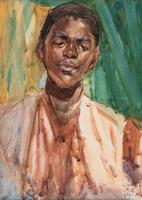
Study of a Sudanese
Frances Hodgkins
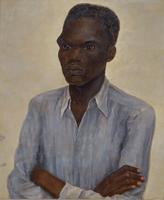
David Cornelis, Artist
Nola Hatterman
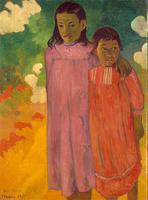
Two sisters
Paul Gauguin
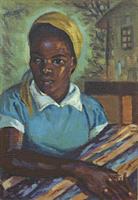
Girl with firewood
George Pemba
Girl in Red
Robert Blackburn
Kadusha
Kuzma Petrov-Vodkin
Karl
Biruta Baumane
Children With no Name VI
Carmen Delaco
Self Portrait
Beauford Delaney
Portrait of a Gipsy
Salvador Dali