Ilya Repin sanatçısının Head of a Man eseri hakkında uzman analizi
Tarz: Realism · Tür: portrait
Expert Analysis: "Head of a Man" by Ilya Repin
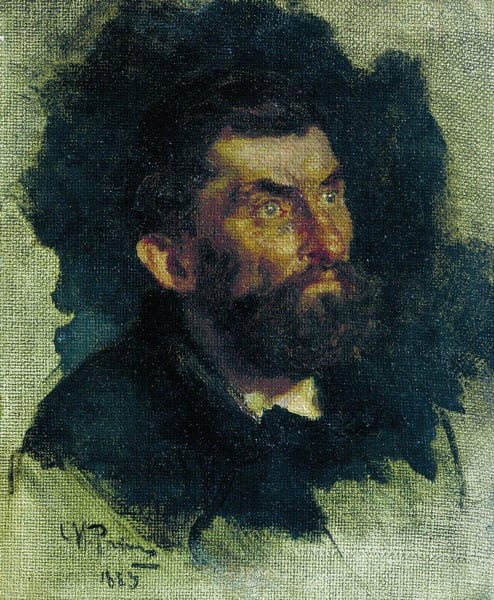
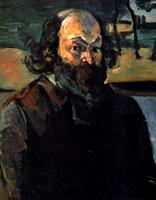
Ilya Repin, the towering figure of Russian Realism, elevates the conventional portrait genre into a profound psychological study with Head of a Man. While the work’s subject remains unnamed, Repin’s characteristic approach transforms this head-and-shoulders composition into a window onto the inner life of his sitter—a hallmark of his contribution to Realist portraiture.
Significance within Realism and Repin’s Oeuvre
-
Mastery of Psychological Depth: Unlike earlier academic portraitists who idealized or flattered, Repin captures the unvarnished humanity of his subject. The man’s weathered features, tired eyes, and asymmetrical expression suggest a life of labor or hardship. Repin’s Realism is not merely documentary; it is empathetic, inviting the viewer to read the narrative etched into the sitter’s face. This focus on the individual’s dignity and emotional complexity was revolutionary and influenced later Russian social-realist painters.
-
Technical Virtuosity and Brushwork: Repin’s handling of paint is vigorous yet controlled. Short, visible strokes model the cheekbones and brow, while softer transitions define the skin’s texture. The light—falling from one side—creates deep shadows that emphasize the ruggedness of the face, a technique borrowed from the Old Masters but adapted to Repin’s immediate, tactile style. This balance of loose handling and precise anatomy demonstrates his debt to both the Peredvizhniki (the Wanderers) and European Realist traditions, grounding the work in a specifically Russian context of truth-telling.
-
Context of Russian Realism: Painted during Repin’s mature period, Head of a Man exemplifies the Peredvizhniki’s commitment to portraying everyday people—peasants, workers, and the urban poor—with unflinching realism. Repin rejected the salon’s polished surfaces in favor of raw, human truth. Here, the “man” is not a generic type but an individual, yet his specific features also stand as a testament to the broader societal conditions of late 19th-century Russia. This dual significance—particular and universal—is what elevates the work beyond a simple portrait into a document of human experience.
Conclusion
Head of a Man is significant because it synthesizes Repin’s technical brilliance with his profound humanism. In a single face, he captures the resilience, weariness, and quiet dignity of a life lived—making this portrait a quintessential example of Realist art’s power to see the epic in the ordinary.
Museum / Gallery
Görsel olarak benzer
İlişkili kompozisyon ve renk paletine sahip 20 eser
Self-portrait
Eugene de Blaas
Bernard Lemaire
Suzanne Valadon
Self-Portrait
Paul Cezanne
Portrait of Monsieur Louis Estruc
Camille Pissarro

Portrait of the painter Antoni Ros i Güell
Joan Brull
Self-Portrait
Edouard Vuillard
Portrait of Achille Granchi Taylor
Paul Gauguin
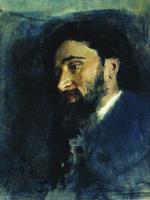
Portrait of writer Vsevolod Mikhailovich Garshin. Study.
Ilya Repin
Автопортрет
Микола Пимоненко
Male portrait
Noè Bordignon
Self-Portrait
Paul Cezanne
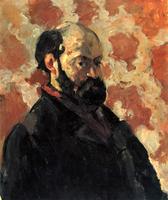
Self-portrait in front of pink background
Paul Cezanne
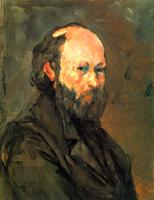
Self-Portrait
Paul Cezanne
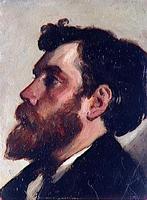
Head of a Bearded Man
Carolus-Duran
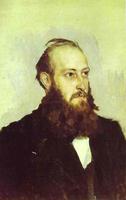
Portrait of Victor Goshkevich, the Founder of the Historic Aarchaeological Museum in Kherson
Viktor Vasnetsov
Self-Portrait II
Mihaly Munkacsy
Claude Monet
John Singer Sargent
Self-portrait
Federico Faruffini
Portrait of the painter Giuseppe Garzolini
Umberto Veruda
Self-portrait
Paul Cezanne