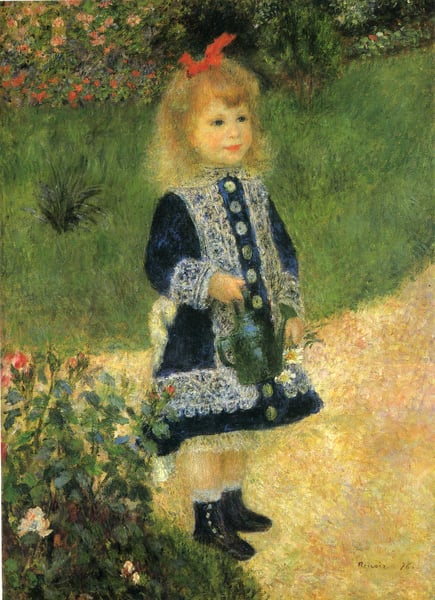
Artwork Analysis: "Girl with a Watering Can" by Pierre-Auguste Renoir
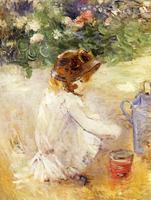
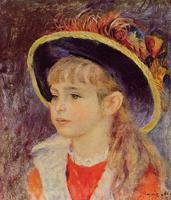
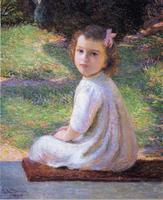
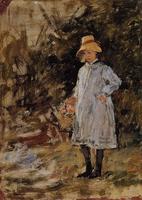
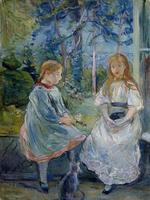
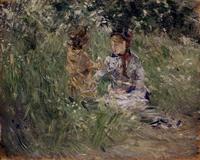
This work exemplifies the core principles of Impressionism through its emphasis on capturing fleeting moments of everyday life—a hallmark of genre painting. Renoir’s use of soft, dappled light and vibrant, broken brushstrokes animates the garden scene, creating a sense of atmospheric immediacy. The subject—a young girl engaged in the simple, domestic act of watering plants—reflects the Impressionist fascination with modern leisure and childhood innocence, themes that distinguish the movement from earlier, more formal portraiture.
Significantly, the painting embodies the Impressionist break from academic conventions: loose handling of form, a bright palette dominated by pinks, greens, and whites, and an overall focus on sensory experience rather than narrative or moral instruction. As a work from Renoir’s period of association with the Impressionists, it demonstrates how the group elevated ordinary moments into luminous, transient vignettes, redefining what could be considered worthy of fine art.