Analisi esperta di Forest Path di Pierre-Auguste Renoir
Stile: Impressionism · Genere: landscape
Expert Analysis of "Forest Path" by Pierre-Auguste Renoir
Context and Style
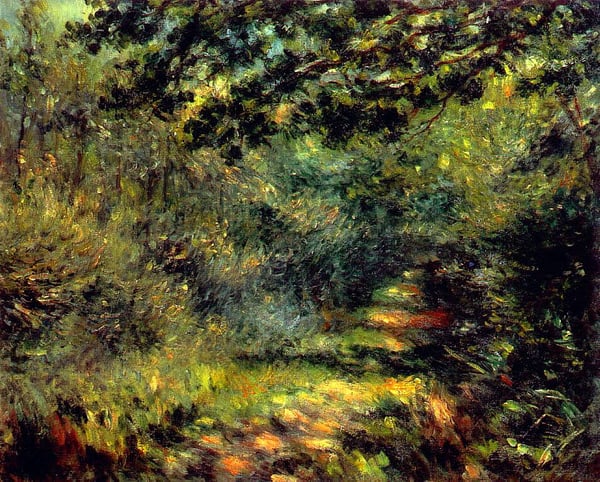
Painted during Renoir’s most active period with the Impressionist circle, Forest Path embodies the movement’s radical break from academic tradition. Instead of a meticulously rendered, idealized landscape, Renoir presents a spontaneous, sensory snapshot of nature—a hallmark of Impressionism. The work’s significance lies in how it translates the ephemeral interplay of light and atmosphere onto canvas, a core concern for the group.
Technical and Aesthetic Choices
Renoir’s brushwork is loose and fragmented, with short, visible strokes of pure color that merge optically when viewed from a distance. This technique captures the dappled sunlight filtering through the forest canopy, creating a shimmering, almost musical effect. The path itself is not a clear, linear guide but a fluid passage suggested by patches of warm earth tones and cooler shadows, inviting the viewer’s eye to wander. Unusual for a pure landscape, Renoir often includes figures in nature, but here the path becomes the sole protagonist—an empty stage that emphasizes the transient beauty of the natural world.
Significance within Impressionism
Forest Path is significant because it demonstrates Renoir’s distinctive approach to color: he avoids black and brown for shadows, instead using complementary hues (violets and blues against yellows and greens) to convey depth and luminosity. This aligns with the Impressionist revolution in color theory, but Renoir adds a human warmth through his softer, more sensuous touch. Compared to Monet’s structured series or Pissarro’s rural scenes, Renoir’s forest feels intimate and inviting, almost tactile. The painting also reflects the Impressionists’ fascination with “plein air” painting—capturing a specific moment of weather and light before it changes.
Legacy
As a work from Renoir’s peak Impressionist phase, Forest Path exemplifies how the movement transformed landscape painting from a mere record of place into an experience of perception itself. It remains a testament to Renoir’s ability to find joy and serenity in the natural world, even as he pushed the boundaries of artistic representation.
Visivamente simili
20 opere con composizione e palette affini
Path through the Woods
Pierre-Auguste Renoir
Path under the Trees, Summer
Camille Pissarro
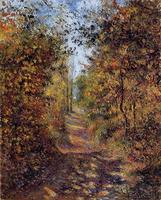
A Path in the Woods, Pontoise
Camille Pissarro
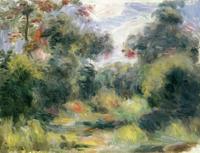
Clearing
Pierre-Auguste Renoir
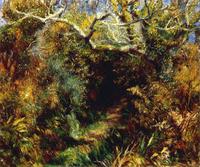
Mediterranean landscape
Pierre-Auguste Renoir
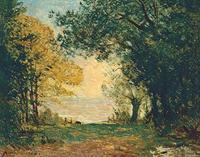
Beg-Meil at dusk
Maxime Maufra
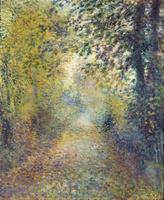
In the Woods
Pierre-Auguste Renoir
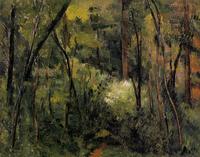
In the Woods
Paul Cezanne
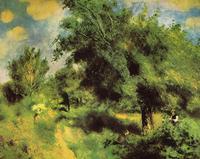
Orchard at Louveciennes the English Pear Tree
Pierre-Auguste Renoir
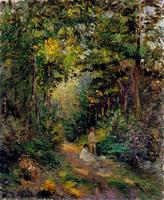
Autumn, Path through the Woods
Camille Pissarro
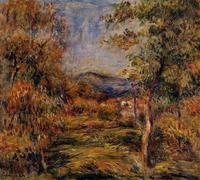
Cagnes Landscape
Pierre-Auguste Renoir
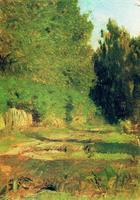
Near the grove
Isaac Levitan
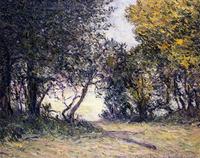
Beg-Miel, Bay of Cocarneau
Maxime Maufra
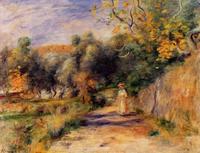
Landscape at Cagnes
Pierre-Auguste Renoir
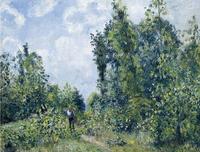
Wanderer near the Wood
Camille Pissarro
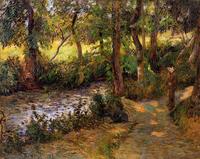
Boy by the Water
Paul Gauguin
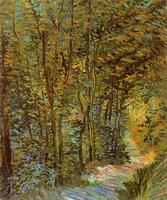
Path in the Woods
Vincent van Gogh
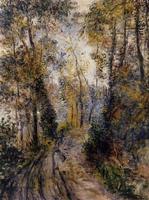
The Path through the Forest
Pierre-Auguste Renoir
The Hollow Way
Georges Seurat
Landscape in the Sun
Pierre-Auguste Renoir