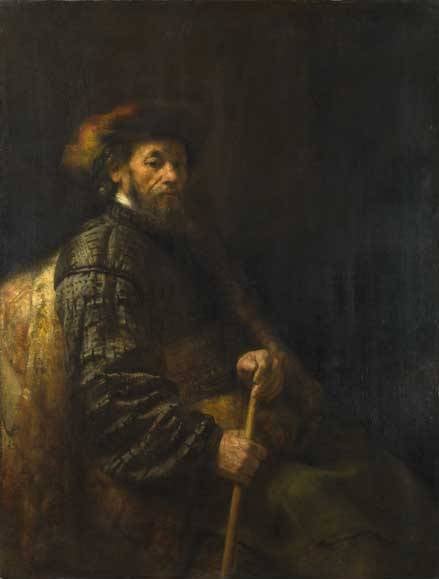
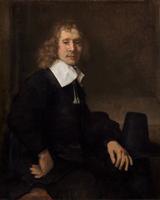
Analysis of A Seated Man by Rembrandt
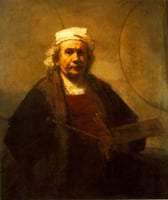
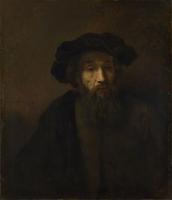
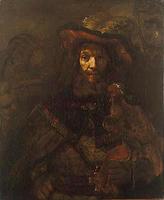
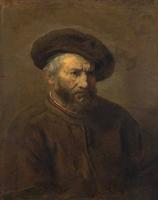
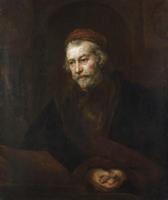
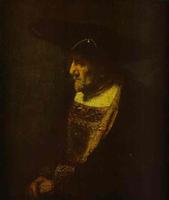
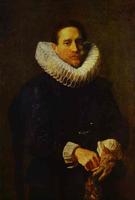
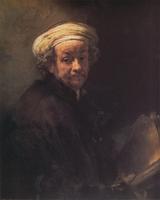
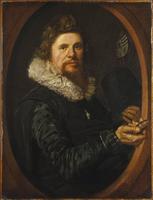
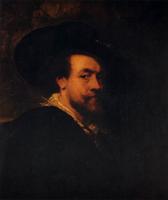
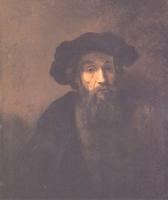
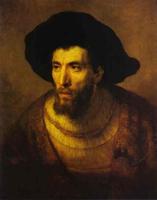
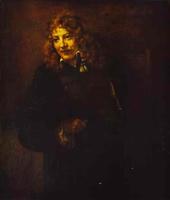
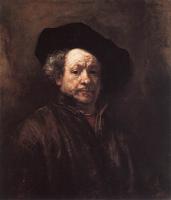
This work exemplifies Rembrandt's mastery of the Baroque period and his distinctive use of Tenebrism—a dramatic chiaroscuro technique that plunges large areas into shadow while concentrating intense light on the sitter’s face and hands. As a portrait, it transcends mere likeness to become a profound psychological study. The stark contrast between light and dark isolates the subject, lending an intimate, contemplative gravity typical of Rembrandt’s most celebrated works. This piece is significant for how it harnesses Tenebrism not just for theatrical effect, but to reveal inner life, making the ordinary seated figure feel monumental and timeless—a hallmark of Baroque portraiture’s emotional depth.