
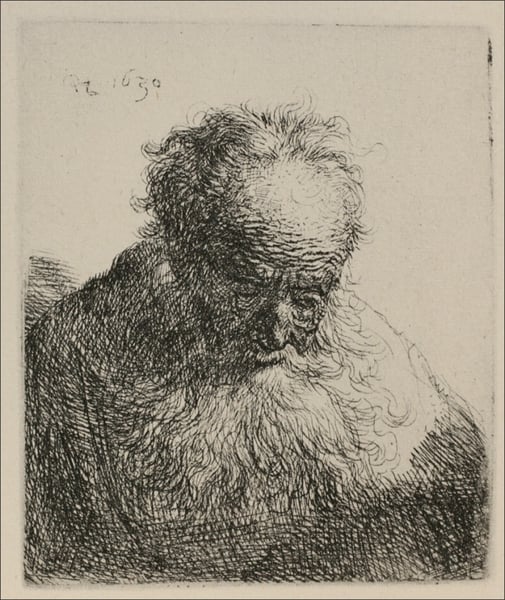
Expertenanalyse zu Rembrandts An Old Man with a Large Beard
Stil: Baroque · Genre: portrait
Expert Analysis of An Old Man with a Large Beard by Rembrandt
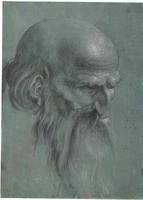
Rembrandt’s An Old Man with a Large Beard stands as a quintessential example of Baroque portraiture, distinguished by its profound psychological depth and masterful handling of light and texture. Painted in the Dutch Golden Age, this work transcends mere likeness to become a study of human character and mortality.
Significance within the Baroque Style: The painting epitomizes the Baroque fascination with chiaroscuro—the dramatic contrast of light and shadow. Rembrandt illuminates the old man’s face and cascading beard from a single, unseen source, allowing shadows to carve out the hollows of his cheeks, the furrows on his brow, and the weight of time in his eyes. This technique not only creates a sculptural, three-dimensional presence but also directs the viewer’s focus to the subject’s inner world, a hallmark of Rembrandt’s genius.
Genre and Subject: Though categorized as a portrait, the work likely belongs to the tradition of the tronie—a study of an expressive face or character type rather than a specific commissioned sitter. The large beard, weathered features, and contemplative gaze suggest an allegory of wisdom, old age, or perhaps a biblical figure (such as a prophet or apostle). Rembrandt’s choice of an anonymous, aged subject allowed him to explore universal themes of human experience without the constraints of formal portraiture.
What Makes It Significant:
- Mastery of Texture and Light: The beard itself is a tour de force—individual strands are suggested through quick, confident brushstrokes, while the soft glow on the cheek contrasts with the rugged, unkempt hair. This interplay of precision and spontaneity demonstrates Rembrandt’s complete command of oil paint.
- Psychological Intensity: The old man’s eyes are slightly downcast yet watchful, as if lost in reflection. The slight parting of his lips and the tension in his brow evoke a moment of quiet revelation or sorrow. Rembrandt captures not just a face, but a soul.
- Humanistic Focus: In an era when Baroque artists often glorified saints or nobles, Rembrandt elevates an ordinary old man to a subject of profound dignity and worth. This humanism—rooted in the Dutch Calvinist tradition—makes the painting a meditation on the passage of time, resilience, and the beauty of imperfection.
In An Old Man with a Large Beard, Rembrandt achieves what few artists have: he transforms a simple study of an elderly face into a timeless monument to the human condition. The work remains a cornerstone of Baroque portraiture, celebrated for its emotional truth, technical brilliance, and unflinching honesty.
Visuell ähnlich
20 Werke mit ähnlicher Komposition und Farbpalette
Old Man with Flowing Beard, Looking down Left
Rembrandt
Bust of an Old Man with a Large Beard
Rembrandt
An Old Man with a Beard
Rembrandt
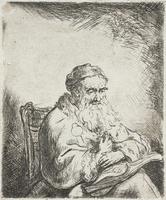
Old Man with a Trefoil on His Coat
Ferdinand Bol
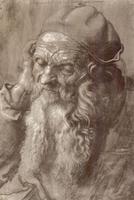
Man Aged 93 (brush & ink on paper)
Albrecht Durer
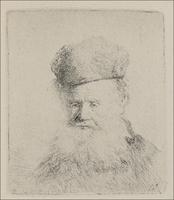
A Man with a Large Beard and a Low Fur Cap
Rembrandt
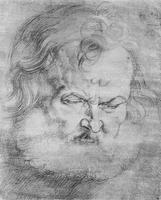
Head of Peter
Albrecht Durer
Bust-Length Study of a Bearded Man with Cap in Three-Quarter View
Jacopo Bassano
Head of an Old Man
Rembrandt
Bearded Man
Albrecht Durer
Rodolphe Bresdin
Odilon Redon
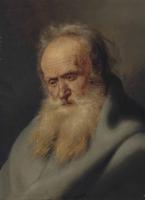
Tronie of An Old Man
Jan Lievens
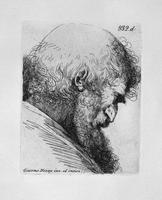
Old man`s head in profile
Giovanni Battista Piranesi
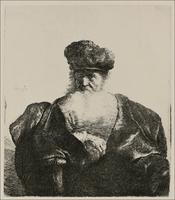
An Old Man with a Beard, Fur Cap and a Velvet Cloak
Rembrandt
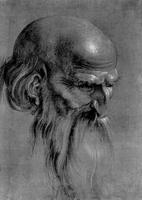
Head of an apostle
Albrecht Durer
Head and Shoulders of a Bearded Man
Francesco de' Rossi (Francesco Salviati), "Cecchino"
The head of the peasant
Viktor Vasnetsov
Bust of old man
Giovanni Battista Piranesi
Portrait of Professor Alexander von Wagner
Umberto Veruda
Head of a apostle
Albrecht Durer