Expertenanalyse zu Rembrandts Man with a Magnifying Glass
Stil: Baroque, Tenebrism · Genre: portrait
Expert Art Historical Analysis: "Man with a Magnifying Glass" by Rembrandt
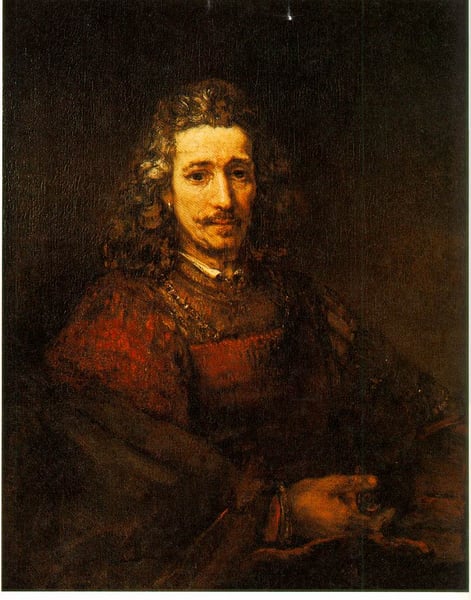
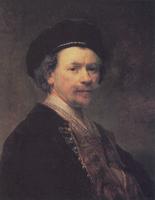
Rembrandt van Rijn’s Man with a Magnifying Glass stands as a quintessential example of Baroque portraiture, distinguished by its masterful deployment of tenebrism—a dramatic, high-contrast chiaroscuro that plunges much of the canvas into deep shadow while selectively illuminating key areas. This technique, characteristic of the Baroque period’s theatricality, is here harnessed not merely for visual drama but to forge an intimate psychological encounter.
The painting’s significance within its style and genre lies in Rembrandt’s radical shift from idealized representation toward raw, introspective humanity. The magnifying glass—an emblem of scrutiny—becomes both a prop and a conceptual anchor: it directs the viewer’s gaze to the act of looking itself, while the man’s face, caught in a pool of light, invites us to examine the textures of age, thought, and character. In typical Baroque fashion, the composition arrests a fleeting moment—the instant before or after the tool is used—suggesting a narrative of inquiry or self-reflection.
As a portrait, it transcends mere likeness. Rembrandt’s tenebrism isolates the sitter from a void-like background, amplifying the psychological weight of the subject. The harsh light rakes across the face, modeling wrinkles and capturing the gleam of the eye, while the surrounding darkness symbolizes both the unknown and the interior depths of the human mind. This approach aligns with the Baroque preoccupation with mortality, perception, and the ephemeral nature of time—themes that Rembrandt explored throughout his career.
Ultimately, Man with a Magnifying Glass is significant because it condenses the essence of Rembrandt’s revolutionary portraiture: the fusion of technical brilliance with profound humanistic inquiry, making the viewer complicit in the act of seeing and interpreting. It epitomizes how Baroque tenebrism could serve not just as spectacle, but as a tool for revealing the soul.
Visuell ähnlich
20 Werke mit ähnlicher Komposition und Farbpalette
Nicholas Oudart
William Dobson
Self-portrait
Rembrandt
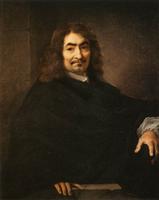
Presumed Portrait of René Descartes
Sebastien Bourdon
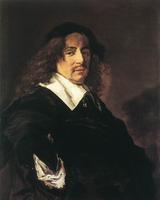
Portrait of a Man
Frans Hals
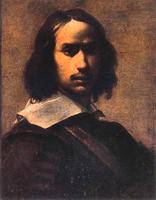
Self portrait
Francesco Cairo
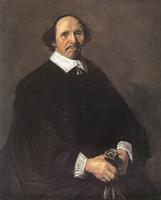
Portrait of a Man
Frans Hals
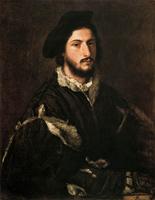
Portrait of Vincenzo Mosti
Titian
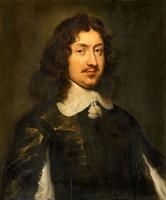
Portrait of a gentleman
Erasmus Quellinus the Younger
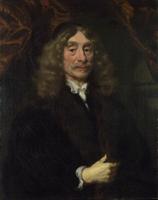
Portrait of Jan de Reus
Nicolaes Maes
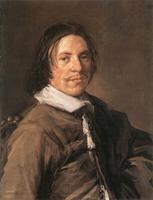
Vincent Laurensz. van der Vinne.
Frans Hals

Charles II of Spain
Claudio Coello
Portrait of a Man
Gerard Terborch
Portrait of a Gentleman Dressed in Black, in Front of a Pillar
Anthony van Dyck
Portrait of Sir Thomas Chaloner
Anthony van Dyck
Portrait of a Man
Frans Hals
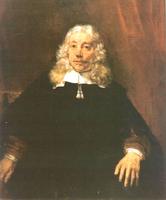
Portrait of a Man
Rembrandt
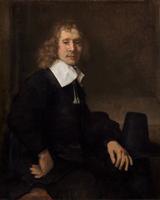
A Young Man at a Table (possibly Govaert Flinck)
Rembrandt
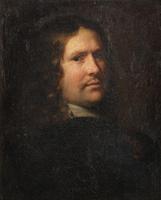
Self-portrait in a black coat
Sebastien Bourdon
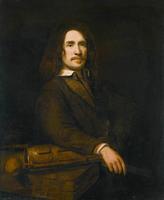
Portrait of a Gentleman
Samuel Dirksz van Hoogstraten
Self-portrait
Rembrandt