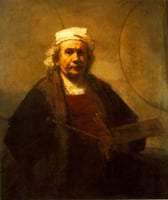
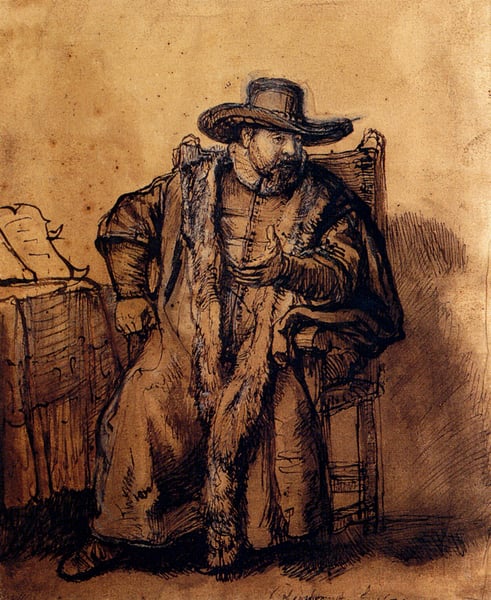
Expert analysis of Rembrandt’s Portrait Of Cornelis Claesz
Style: Baroque · Genre: portrait
Expert Analysis: Portrait of Cornelis Claesz by Rembrandt
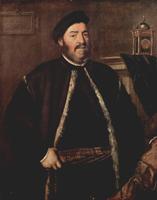
As a Baroque portrait, this work exemplifies the period’s defining preoccupation with psychological depth, dramatic illumination, and a sense of living presence. Rembrandt’s approach to portraiture elevates the genre from mere likeness to a profound exploration of human character.
Significance within the Baroque Style:
- Chiaroscuro and Emotional Weight: The Baroque’s hallmark – stark contrasts of light and shadow – is employed here not just for theatrical effect but to model the sitter’s face with sculptural solidity. The light falls selectively, drawing the viewer’s eye to the eyes and hands, while the background recedes into deep, suggestive darkness. This technique creates an intimate, almost psychological focus, a signature of Rembrandt’s mature work.
- Naturalism and Liveliness: Unlike earlier, more idealized portraits, Rembrandt imbues Cornelis Claesz with a sense of momentary life. The slight tilt of the head, the direct gaze, and the nuanced expression (neither stiff nor overly sentimental) make the figure feel caught in a quiet, candid instant. Such verisimilitude was a key Baroque innovation, breaking from static Renaissance formality.
Significance within the Portrait Genre:
- The Inner Life of the Sitter: Rembrandt’s portraits are renowned for their ability to convey personality and status through subtle means. Here, the sitter’s clothing, posture, and facial details are rendered with meticulous observation, yet the true subject is the man’s interiority – his dignity, introspection, or perhaps his worldly wisdom. This emphasis on individuality rather than generic type marks a turning point in Western portraiture.
- Technical Mastery in a Common Commission: Even a seemingly straightforward portrait becomes a study in texture (the roughness of skin, the sheen of fabric, the softness of hair) and light. Rembrandt’s confident brushwork and varied paint application (thin washes blended with thick impasto) add a tactile richness that distinguishes his work from that of his contemporaries.
Conclusion:
Portrait of Cornelis Claesz is significant not for any overt drama or narrative, but for its quiet revelation of a human soul through the Baroque’s commanding visual language. It stands as a testament to Rembrandt’s ability to transform a conventional commission into an enduring meditation on identity – a hallmark of Baroque portraiture at its most profound.
Museum / Gallery
Visually similar
20 works with related composition and palette
Portrait Of Cornelis Claesz
Rembrandt
Arnold Tholinx
Rembrandt

Mann Mit Bart Und Pelzmütze
Ferdinand Bol
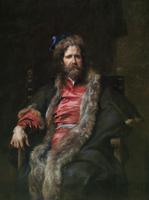
The Painter Martin Ryckaert
Anthony van Dyck
Carnevale
Achille Devéria
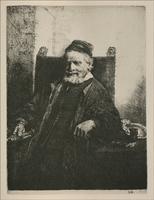
Jean Lutma
Rembrandt
Sigismund II August
Jan Matejko
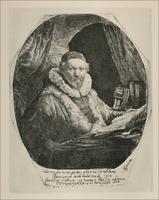
Johannes Uijtenbodaerd
Rembrandt
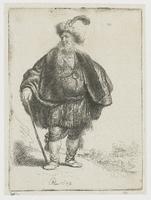
The Persian
Rembrandt
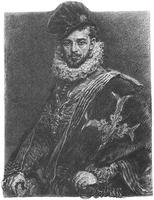
Henryk Walezy
Jan Matejko
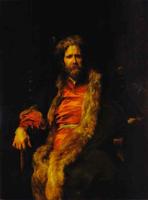
Martin Ryckaert
Anthony van Dyck
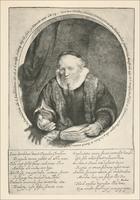
Jan Cornelis Sylvius
Rembrandt
Alexander Jagiellon
Jan Matejko
King Stefan Batory
Jan Matejko
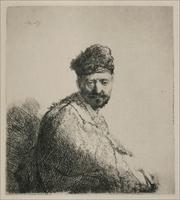
A Man with a Short Beard and Embroidered Cloak
Rembrandt
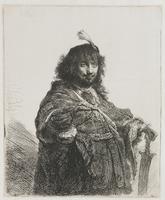
Self-portrait with plumed cap and lowered sabre
Rembrandt
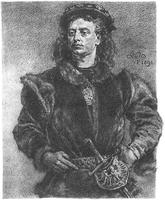
Jan Olbracht
Jan Matejko
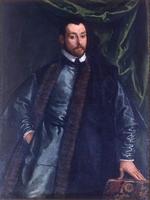
Portrait of a Gentlemen
Paolo Veronese
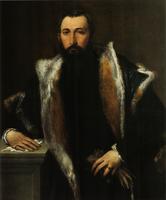
Portrait of Febo da Brescia
Lorenzo Lotto
Portrait of Fabrizio Salvaresio
Titian