Rembrandt sanatçısının Self-portrait as a Young Man eseri hakkında uzman analizi
Tarz: Baroque · Tür: self-portrait
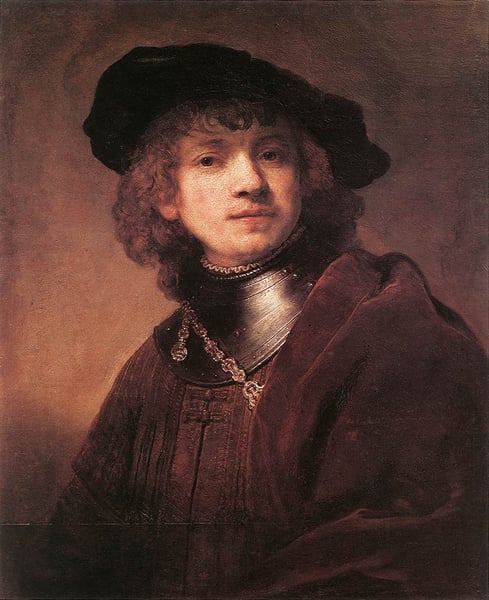
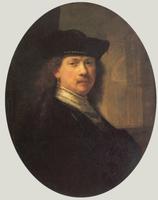
Rembrandt van Rijn’s Self‑portrait as a Young Man exemplifies the Baroque era’s fascination with dramatic realism and psychological introspection. Executed in the early phase of his career, the work captures the artist at a moment of confident self‑assertion, yet already hinting at the profound emotional depth that would define his later portraits. The painting is significant for several reasons:
First, within the Baroque style, Rembrandt deploys his signature chiaroscuro—a stark contrast between light and shadow—to model the face with sculptural three‑dimensionality. The light falls diagonally across the young artist’s features, picking out the curve of the cheekbone, the glint in the eye, and the soft texture of the hair, while plunging the background and costume into near darkness. This technique not only heightens the drama but also directs the viewer’s focus entirely onto the sitter’s expression and inner life.
Second, as a self‑portrait, the work belongs to a genre that Rembrandt reinvented. Unlike the formal, idealized self‑depictions of many of his contemporaries, this portrait is unflinchingly honest. The artist presents himself with a slight, almost quizzical smile and a direct gaze that engages the viewer. There is no attempt to flatter; instead, Rembrandt records the fleeting nuances of youth—the soft skin, the uneven beard, the half‑lit introspection. This psychological immediacy was revolutionary for its time and anticipated the modern conception of the self‑portrait as a vehicle for self‑examination.
Finally, the painting’s significance lies in its place within Rembrandt’s lifelong series of self‑portraits—nearly 100 known works. This early example establishes the template for his later, more somber and weathered depictions. It marks the beginning of a career‑long dialogue between the artist and his own image, making it not merely a likeness but a document of artistic identity in the Baroque era. The confident handling of light, the unpretentious realism, and the penetrating gaze all combine to make Self‑portrait as a Young Man a cornerstone of both Rembrandt’s oeuvre and the Baroque self‑portrait tradition.
Museum / Gallery
Görsel olarak benzer
İlişkili kompozisyon ve renk paletine sahip 20 eser
Portrait of Rembrandt
Kamal-ol-Molk
Self-portrait
Rembrandt
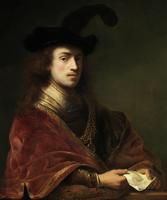
Self Portrait Behind a Parapet
Ferdinand Bol
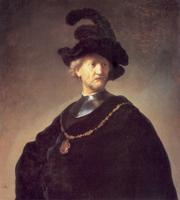
Old Man with a Black Hat and Gorget
Rembrandt
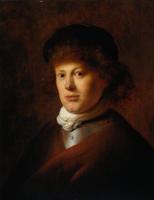
Portrait of Rembrandt van Rijn
Rembrandt
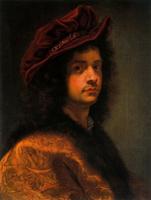
Autorretrato Corredor De Vasari
Giovanni Battista Gaulli
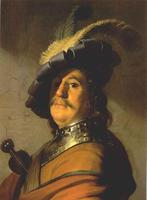
A Warrior
Rembrandt
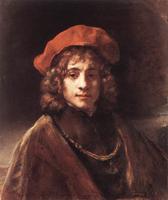
Titus, the Artist's son
Rembrandt
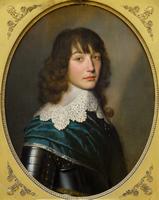
Gerrit Van Honthorst
Gerard van Honthorst
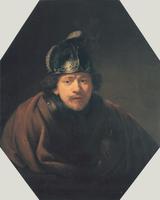
Self-portrait with Helmet
Rembrandt
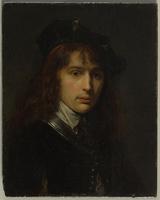
Self Portrait
Gerrit Dou
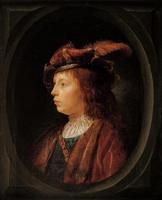
Head of a Youth
Gerrit Dou
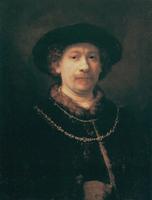
Self-portrait
Rembrandt
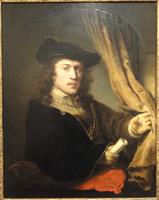
Self-Portrait
Ferdinand Bol
Richard Lovelace
William Dobson
Portrait of Stanislas Augustus Poniatowski
Louise Elisabeth Vigee Le Brun
Prince George of Denmark (1653–1708)
Michael Dahl
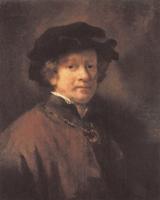
Self-portrait
Rembrandt
Self-portrait
Rembrandt
Lodewijk Van Nassau-Beverweerd
Gerard van Honthorst