
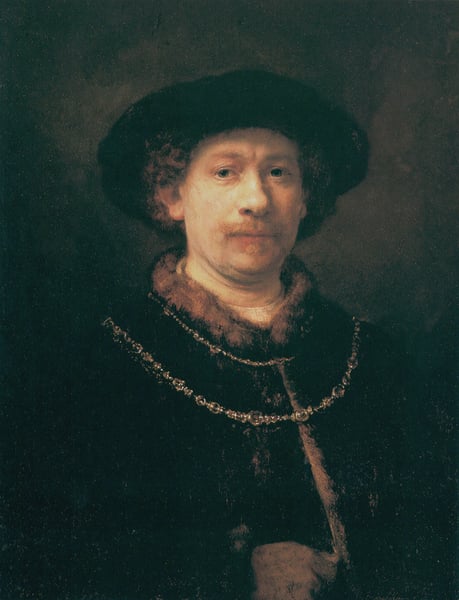
Expertenanalyse zu Rembrandts Self-portrait
Stil: Baroque · Genre: self-portrait
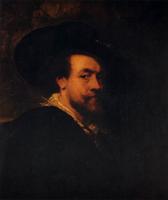
Expert Art Historical Analysis: Rembrandt’s Self-Portrait (c. 1659)
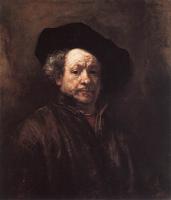
As an iconic work of the Dutch Baroque, Rembrandt van Rijn’s self-portrait transcends the conventions of the genre. Painted in the artist’s later years, it stands as a masterclass in psychological introspection and technical virtuosity.
What makes it significant within its style and period:
- Baroque drama through light and shadow: Rembrandt employs chiaroscuro with extraordinary subtlety, sculpting his face from deep shadow into warm, earthy light. The strong, directional illumination models the contours of his weathered skin and furrowed brow, while the background dissolves into darkness—a hallmark of Baroque tenebrism that heightens emotional immediacy.
- Unflinching realism and human vulnerability: Unlike many Baroque self-portraits that idealize the sitter (e.g., Van Dyck’s aristocratic elegance), Rembrandt presents himself with unsparing honesty. The soft, sagging flesh, the tired eyes, the slight asymmetry of his features—they record not merely a face but a life lived. This raw authenticity anticipates modern portraiture’s concern with interiority.
- The artist as his own subject: Rembrandt produced nearly 100 self-portraits over his career, making him one of the first artists to treat self-representation as a sustained inquiry. This late example is less about costume or status (unlike his earlier, more flamboyant self-portraits) and more about existential self-scrutiny—a meditation on aging, mortality, and the solitary role of the artist.
- Mastery of paint handling: The thick, almost tactile application of paint (impasto) on the face and forehead contrasts with the thin, sketchy strokes in the background and clothing. This variety of texture—from smooth to rough—creates a vibrant, surface-level liveliness that reinforces the figure’s presence, a quintessential Baroque interest in materiality and illusion.
In sum, this self-portrait is significant because it synthesizes the theatrical lighting and emotional intensity of Baroque art with an unprecedented level of personal honesty. Rembrandt turns the mirror on himself not to flatter, but to explore the profound condition of being human.
Museum / Gallery
Visuell ähnlich
20 Werke mit ähnlicher Komposition und Farbpalette
Self-portrait
Rembrandt
Self-portrait with Hat and Gold Chain
Rembrandt
Self-portrait
Rembrandt
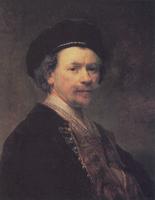
Self-portrait
Rembrandt
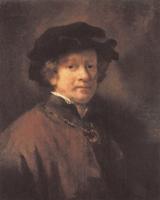
Self-portrait
Rembrandt
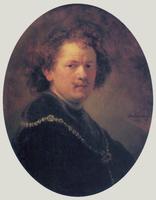
Self-portrait
Rembrandt
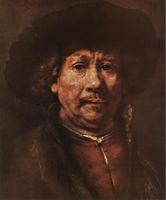
Little Self-portrait
Rembrandt
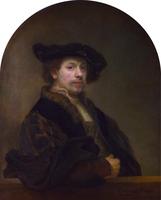
Self-portrait at the Age of 34
Rembrandt
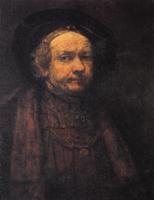
Self-portrait
Rembrandt
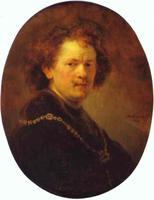
Self-portrait Bareheaded
Rembrandt
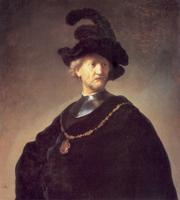
Old Man with a Black Hat and Gorget
Rembrandt
Charles VII De France
Henri Lehmann
Rembrandt van Rijn
Ferdinand Bol
Self-portrait
Rembrandt
Autorretrato Corredor De Vasari
Giovanni Battista Gaulli
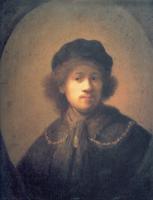
Self-portrait with Beret and Gold Chain
Rembrandt
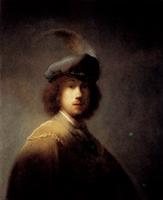
Self-Portrait in a Plumed Hat
Rembrandt
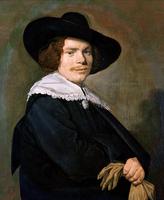
Portrait of a young man
Frans Hals
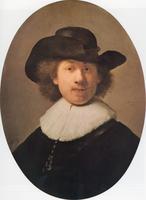
Self-portrait
Rembrandt
Self-Portrait
Peter Paul Rubens