
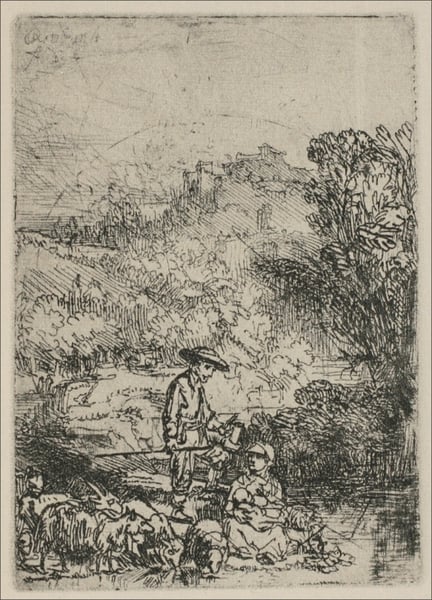
Rembrandt sanatçısının The Shepards in the Woods eseri hakkında uzman analizi
Tarz: Baroque · Tür: genre painting
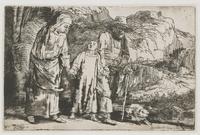
Analysis of "The Shepards in the Woods" by Rembrandt
As a genre painting executed in the Baroque style, "The Shepards in the Woods" by Rembrandt exemplifies the period’s fascination with the everyday lives of ordinary people, rendered with the dramatic intensity and psychological depth that define the artist’s mature work.
Significance within the Baroque period:
-
Dramatic Naturalism and Chiaroscuro: Rembrandt was a master of chiaroscuro—the stark contrast between light and shadow. In this pastoral scene, the dappled light filtering through the woods would likely create a theatrical spotlight on the shepherds, isolating them from the dark, enveloping forest. This technique heightens the emotional resonance of a simple, humble moment, elevating it from mere anecdote to a meditation on human labor and solitude.
-
Everyday Life as Worthy Subject: Genre painting in the Baroque era, particularly in the Dutch Republic, sought to dignify ordinary activities. Rembrandt’s treatment of shepherds and their environment is neither idealizing nor merely picturesque; it carries a quiet gravity. The figures are not classical or biblical heroes but real people, engaged in the timeless rhythm of herding and rest. This focus on the authentic, unglamorous aspects of life aligns with Rembrandt’s broader commitment to portraying humanity in its raw, unvarnished state.
-
Landscape and Atmosphere: The wooded setting itself functions as more than a backdrop. Rembrandt’s handling of foliage, sky, and terrain would likely evoke a sense of atmospheric depth—a hallmark of Baroque landscape painting that uses light and texture to create a immersive, almost tactile environment. The shepherds are integrated into this world, their forms emerging from and receding into the natural surroundings, suggesting a harmonious yet transient relationship between people and nature.
What makes this work significant:
“The Shepards in the Woods” stands as a testament to Rembrandt’s ability to find profound meaning in the mundane. By stripping away classical allegory or religious narrative, he presents a vision of human existence that is both intimate and universal. The painting’s impact lies in its synthesis of technical mastery (expressive brushwork, subtle tonal gradations) and empathetic observation—qualities that helped redefine genre painting in the Baroque era, shifting its purpose from simple decoration to a vehicle for emotional and philosophical reflection.
Görsel olarak benzer
İlişkili kompozisyon ve renk paletine sahip 20 eser
The flute player
Rembrandt
Summer
Esaias van de Velde
Beggar man and woman
Rembrandt
Landscape with a shepherd and a dog
Rembrandt
Don Quixote
Gustave Dore
The Flight into Egypt Called In the Style of Elzheimer
Rembrandt
View of the Tiber in the Campagna
Jan Dirksz Both
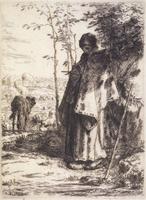
The Large Shepherdess
Jean-Francois Millet
Journey to the Center of the Earth
Edouard Riou
Roman Augurs Interpreting the Flight of Birds
Salvator Rosa
Autumn
Esaias van de Velde
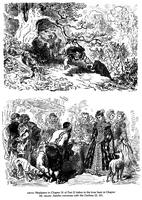
Don Quixote
Gustave Dore
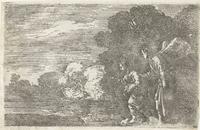
Tobias and the Angel Raphael
Adam Elsheimer
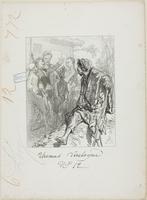
Les Propos de Thomas Vireloque: Ego! ego...ego - all equal (egaux-ego, buth pronounced alike)
Paul Gavarni
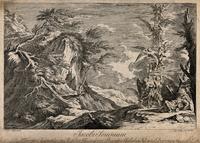
Jacob Finds Rest in a Rugged Landscape and Dreams of a Ladder
Salvator Rosa
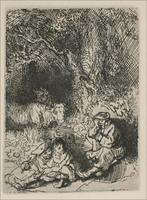
The Shepards and the Family
Rembrandt
Arcadian Landscape with Meadow Forest
Johann Christoph Haffner
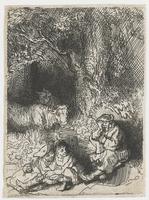
The sleeping herdsman
Rembrandt
The rat poison peddler (The rat catcher)
Rembrandt
Christ returning from the Temple with his parents
Rembrandt