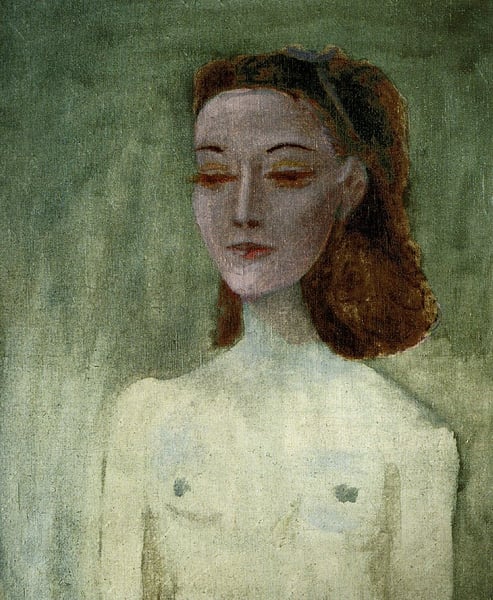
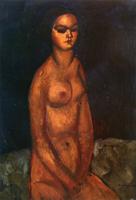
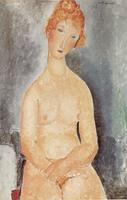
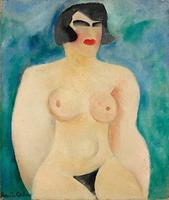
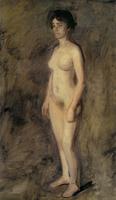
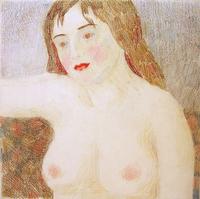
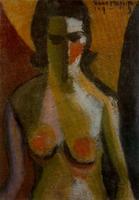
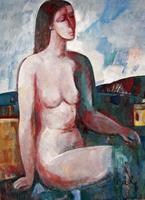
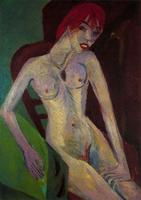
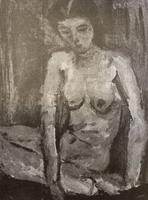
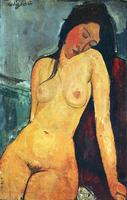
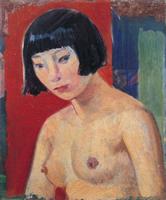
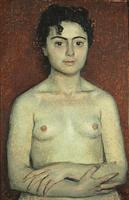
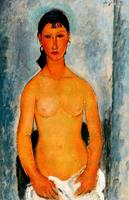
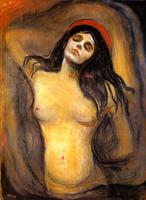
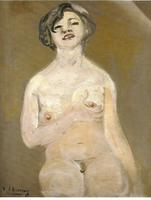
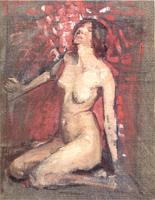
This artwork, "Portrait of Nusch Éluard" by Pablo Picasso, is significant as a striking fusion of the artist’s overlapping Neoclassicist and Surrealist periods, executed with an Expressionist intensity that personalizes the subject.
While Picasso’s Neoclassicist phase (c. 1920–1925) favored monumental, classical forms and his Surrealist period (mid-1920s onward) explored distorted, dreamlike anatomy, this portrait synthesizes both: the figure retains a sculptural, volumetric presence (a nod to neoclassical order) while the face is visibly fractured and reassembled—a Surrealist subversion of conventional beauty. The Expressionist treatment amplifies the emotional charge; bold, non-naturalistic colors and agitated brushwork reveal the artist’s psychological engagement with the sitter.
The subject, Nusch Éluard (the wife of poet Paul Éluard), was a central figure in Surrealist circles and a frequent muse to Picasso. The painting captures her with both reverence and raw intensity, bridging the intimate portraiture of the Neoclassicist tradition with the avant-garde distortion of Surrealism. Its significance lies in this hybrid moment—where Picasso’s classical discipline meets his revolutionary instinct, producing a portrait that is personal, modern, and emblematic of his ability to merge seemingly opposed movements into a singular, expressive vision.