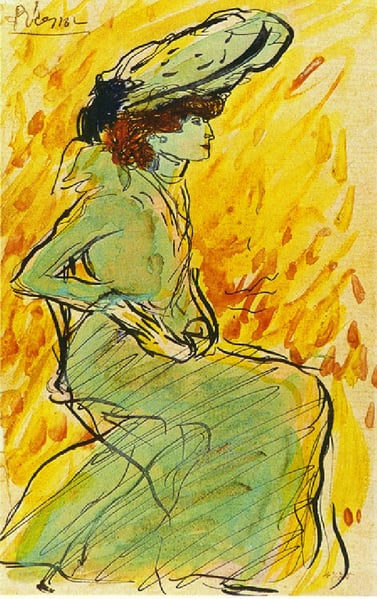
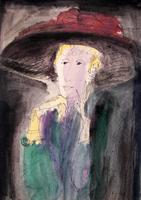
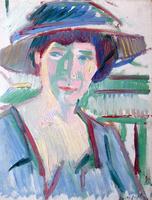
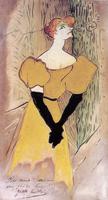
Based solely on the provided facts, the significance of "Seated woman in green" by Pablo Picasso lies in its placement within his Early Years and its execution in the Post-Impressionist style. As a portrait from this formative period, the work marks a critical stage in Picasso's development—before his revolutionary shift into Cubism. It demonstrates his engagement with the emotive color, expressive brushwork, and subjective perspective characteristic of Post-Impressionism, while already hinting at the psychological depth and formal experimentation that would define his later career. This painting is thus significant as a key example of Picasso mastering a transitional style, bridging the late 19th-century artistic traditions and his own impending modernist breakthroughs.