
Expertenanalyse zu Pablo Picassos Spaniard
Stil: Expressionism · Genre: portrait
Expert Analysis of "Spaniard" by Pablo Picasso
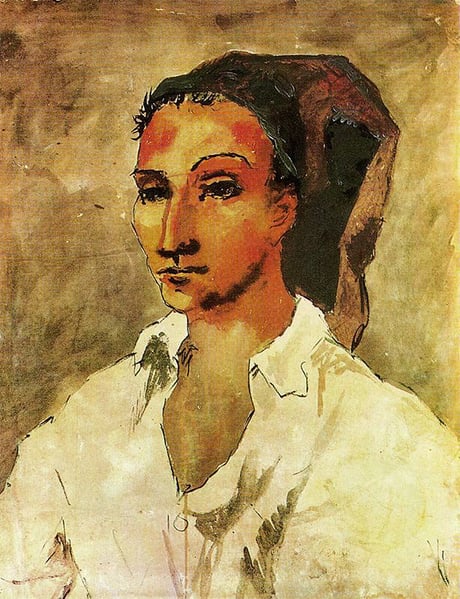
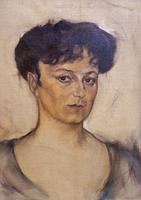
Pablo Picasso’s Spaniard is a striking portrait from his Rose Period (c. 1904–1906), a pivotal moment when the artist transitioned from the somber, blue-toned depictions of despair to a warmer, more optimistic palette. Executed in the Expressionist style, the work emphasizes emotional resonance over naturalistic representation, using color and form to convey the inner life of its subject.
Significance within the Rose Period:
The Rose Period is defined by its shift to hues of pink, orange, and beige, often featuring itinerant circus performers, harlequins, and outsiders. Spaniard departs from these typical subjects by focusing on a figure of Picasso’s own Spanish heritage—perhaps a nod to his roots and a sign of his growing national identity. The painting retains the emotional intensity of Expressionism: the subject’s features are slightly distorted, with exaggerated contours and a penetrating gaze, inviting viewers to connect with his dignity and solitude.
Expressionist and Portrait Innovation:
As an Expressionist portrait, Spaniard prioritizes subjective feeling over accurate likeness. Picasso uses broad, visible brushstrokes and a restricted palette of earthy pinks, ochres, and warm browns to create a sense of psychological depth. The background remains subdued, forcing attention onto the figure’s face and hands. This approach anticipates Picasso’s later breakthroughs into Cubism by demonstrating his willingness to distort form for emotional effect.
Why It Matters:
Spaniard is significant because it captures a transitional moment in Picasso’s career—bridging the melancholy of the Blue Period with the proto-modernist experimentation that would follow. It also stands as a testament to his mastery of portrait conventions while pushing toward abstraction. The work’s direct, humanistic focus on a single individual, rendered with both tenderness and expressive force, showcases Picasso’s ability to make the personal universal, a hallmark of his enduring legacy.
Visuell ähnlich
20 Werke mit ähnlicher Komposition und Farbpalette
Self-portrait
Zinaida Serebriakova
Métis à la Chemise blanche
Andre Derain
Tête de jeune fille
António de Carvalho da Silva Porto
Chiaroscuro female portrait
Umberto Veruda
Female Portrait
Francesco Paolo Michetti
Marguerite
Frank Mason
Portrait of Madame Cezanne
Paul Cezanne
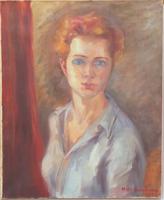
Self Portrait
Hélène de Beauvoir
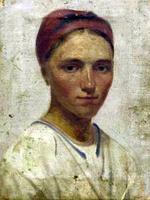
Portrait of a Peasant Girl
Alexey Venetsianov
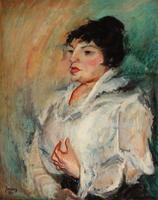
Berény Róbert, Spanyol Nő
Berény Róbert
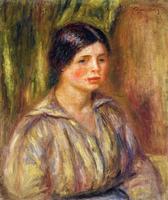
Bust of a Young Woman
Pierre-Auguste Renoir
Borduas1962
Paul-Émile Borduas
Portrait of a Woman
William Merritt Chase
Head of a Capri Girl
John Singer Sargent
Gladys (detail)
Abbott Handerson Thayer
Portrait of a Young Woman
Volodymyr Bondarenko
Head of a Neapolitan Boy
John Singer Sargent
Young Girl with a Large Cap on Her Head
Camille Corot
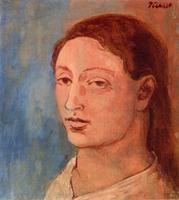
Fernande's Head
Pablo Picasso
Marianne von Meixner
Christian Schad