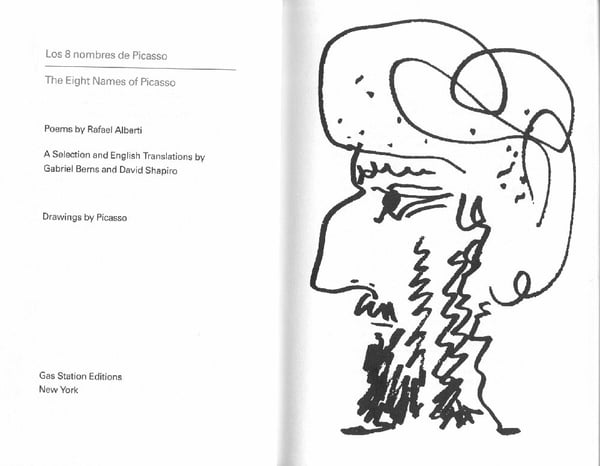
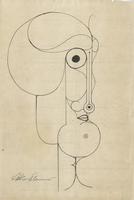
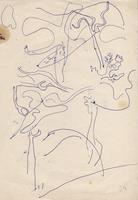
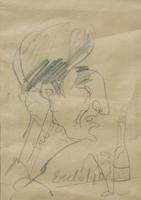
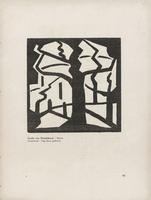
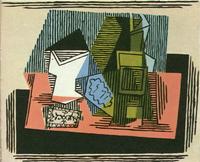
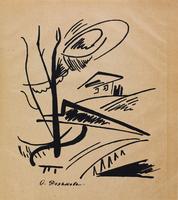
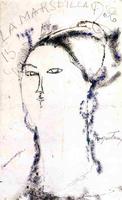
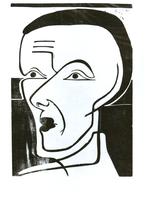
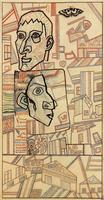
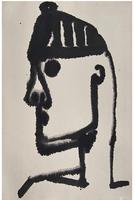
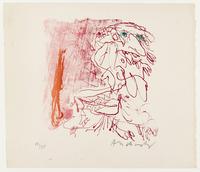
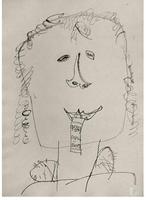
Based solely on the provided facts, the significance of Pablo Picasso’s The eight names of Picasso lies in its distinct synthesis of the artist’s own identity with the core principles of Naïve Art (Primitivism) during his Later Years. As a work in the illustration genre, it exemplifies Picasso’s late-career return to a deliberately simplified, childlike aesthetic—a hallmark of Primitivism—while using that direct visual language to explore the multiplicity of his own artistic persona (the “eight names” of the title). In the context of the Later Years period, this piece is significant because it shows Picasso not retreating from innovation, but rather re-engaging with the raw, unrefined qualities of Naïve Art to create a personal symbolic portrait. The work thus stands as a mature meditation on selfhood, filtered through a style that champions instinct over academic finish—a fitting capstone to a career built on breaking conventions.