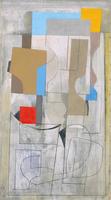
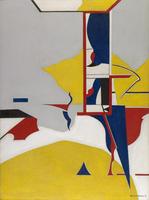
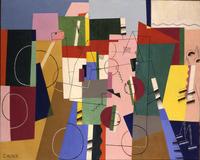
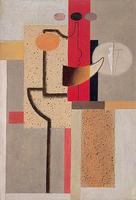
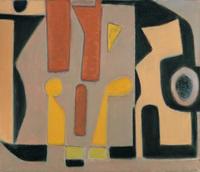
Expert Analysis of The Studio by Pablo Picasso
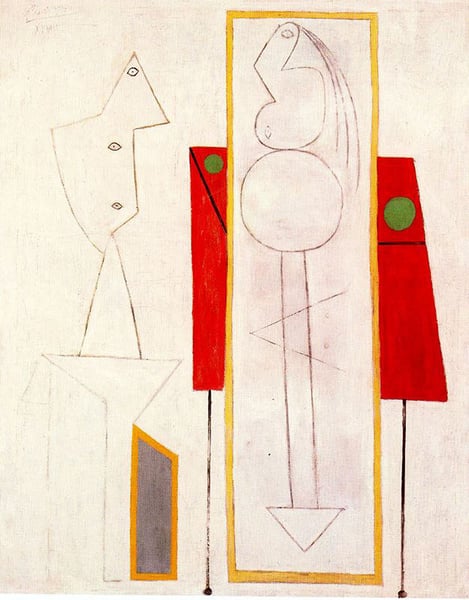
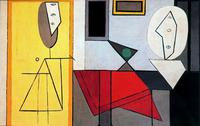
Within Picasso’s Neoclassicist & Surrealist Period, The Studio stands as a critical intersection of two seemingly opposing impulses: the structured monumentality of Neoclassicism and the uncanny, dreamlike logic of Surrealism. As an interior scene, the work transforms a mundane setting into a psychological arena where reality and imagination coexist.
The significance of this painting lies in how Picasso reimagines the traditional genre of the “artist’s studio.” Rather than a literal workspace, the interior becomes a stage for Surrealist dislocation—figures and objects may appear flattened, distorted, or suspended in ambiguous space, challenging the viewer’s sense of gravity and proportion. Yet the composition retains the ordered, balanced architectonics of Neoclassicism: a stable grid of lines, calm color harmonies, and a palpable sense of volume. This tension between rational structure and irrational content is precisely what marks Picasso’s work of this period as pivotal. The Studio thus serves as a bridge, demonstrating that Surrealism need not abandon classical discipline; instead, it can subvert it from within, turning the sanctuary of the studio into a theater of the subconscious.