Analisi esperta di The Punishment of Tythus di Titian
Stile: Mannerism (Late Renaissance) · Genere: mythological painting
Expert Analysis of "The Punishment of Tythus" by Titian
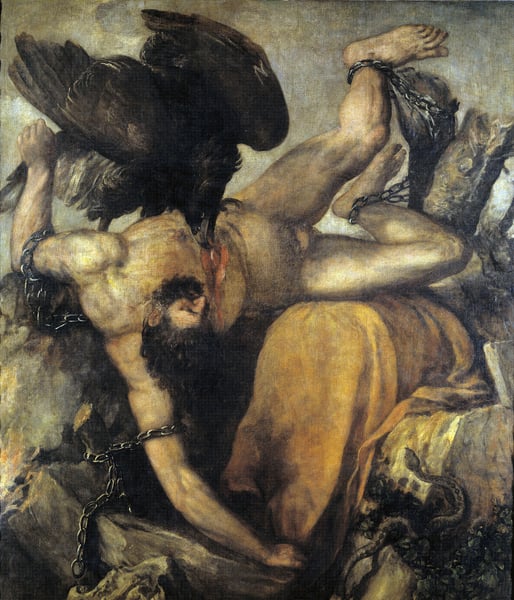
As a prime example of Mannerism (Late Renaissance) within the mythological genre, Titian’s The Punishment of Tythus is significant for its dramatic departure from the balanced harmony of the High Renaissance. The work captures the exaggeration, emotional intensity, and compositional complexity that define Mannerist aesthetics.
The mythological subject—the eternal torment of the giant Tythus (Tityus), whose liver is devoured by a vulture as punishment for his assault on Leto—is rendered with a striking sense of physical elongation and contorted pose. Titian emphasizes the figure’s muscular tension and vulnerability, creating a visceral, almost visceral pathos that aligns with Mannerism’s interest in expressing inner turmoil through distorted forms.
The painting’s significance lies in how Titian uses the mythological narrative to explore themes of suffering and retribution, pushing beyond the idealized naturalism of earlier Renaissance works. Instead, he heightens the drama through a dynamic, off-balance composition and a dark, expressive palette, foreshadowing the emotional intensity of later Baroque art. Within Titian’s own oeuvre, this piece marks a late-career turn toward Mannerist sensibilities, showcasing his mastery of psychological depth and formal experimentation. As a mythological painting, it not only retells an ancient story but reinterprets it through a lens of mannered elegance and heightened emotionalism, making it a key work for understanding the transition from Renaissance classicism to the more subjective, theatrical styles of the late 16th century.
Museum / Gallery
Visivamente simili
20 opere con composizione e palette affini
Prometheus Bound
Jacob Jordaens
Prometheus Bound
Peter Paul Rubens
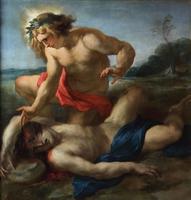
The Death of Hyacint
Jan Cossiers
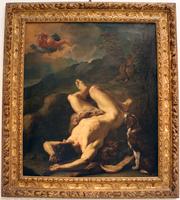
Death of Abel
Giovanni Battista Gaulli
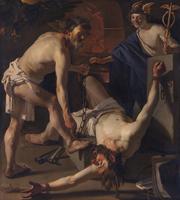
Prometheus Chained by Vulcan
Dirck van Baburen
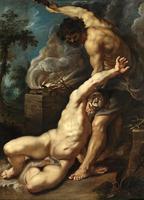
Cain slaying Abel
Peter Paul Rubens
Jupiter and Antiope
Anthony van Dyck
Die Strafe Des Höllenfeuers (das Jüngste Gericht), detail
Domenico Beccafumi
Cain and Abel
Tintoretto
CAINO E ABELE
Bartolomeo Manfredi
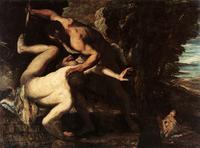
The Murder of Abel
Tintoretto
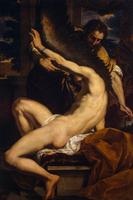
Daedalus and Icarus
Charles Le Brun
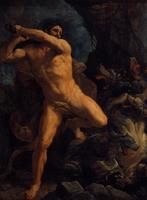
Hercules Vanquishing the Hydra of Lerma
Guido Reni
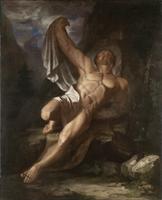
Dying Hercules
Samuel Morse
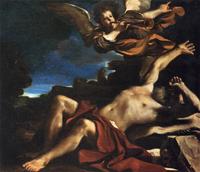
The Vision of St Jerome
Guercino
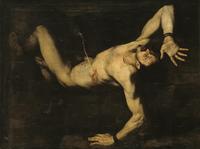
Tityos
Jusepe de Ribera
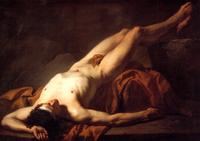
Male Nude known as Hector
Jacques-Louis David
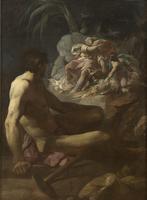
Venus at the Forge of Vulcan Obtaining Arms for Aeneas
Antonio González Velázquez
Jacob's Dream
Jacques Réattu
Hercules as Heroic Virtue Overcoming Discord
Peter Paul Rubens