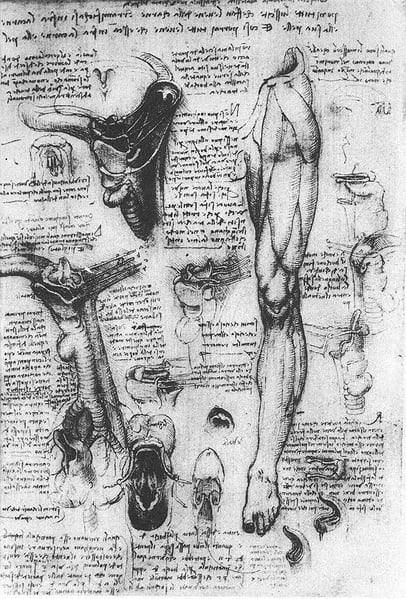
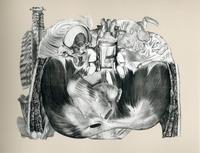
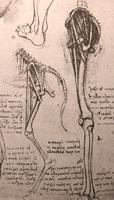
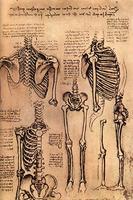
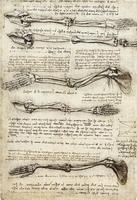
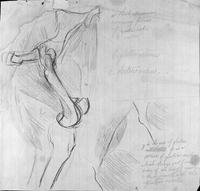
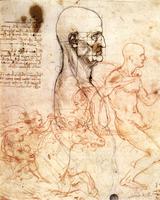
Expert Analysis: "Anatomical studies (larynx and leg)" by Leonardo da Vinci
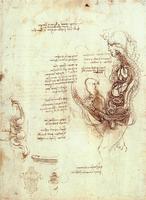
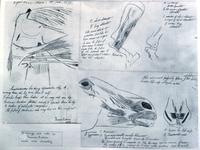
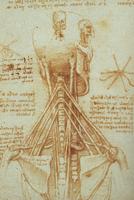
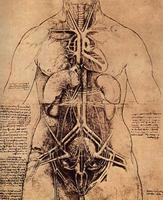
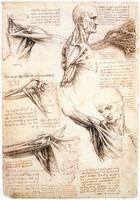
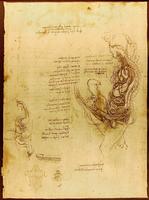
As a High Renaissance sketch and study, this work exemplifies Leonardo da Vinci’s revolutionary fusion of artistic mastery and empirical observation. Created in an era when formal anatomy was still nascent, Leonardo’s dissections and drawings broke new ground by treating the human body as both a subject of aesthetic beauty and a functional machine.
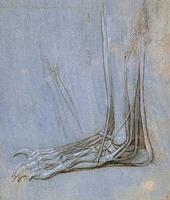
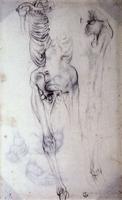
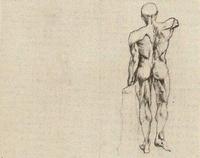
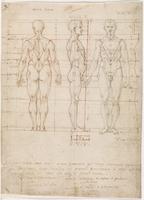
The dual focus on the larynx—critical for speech and breathing—and the leg—essential for locomotion—reflects Leonardo’s systematic investigation of structure and motion. His use of precise cross-hatching and delicate linework demonstrates the High Renaissance ideal of disegno, where drawing is the intellectual foundation of art. More importantly, these studies are not merely preparatory; they are scientific documents that challenge prevailing medieval doctrines by demanding direct observation. The accuracy of the laryngeal cartilages and the muscular anatomy of the leg reveal Leonardo’s understanding of form as dynamic, not static. This synthesis of art, science, and humanism makes the work significant: it embodies the Renaissance belief that knowledge of nature is inseparable from the creation of art.