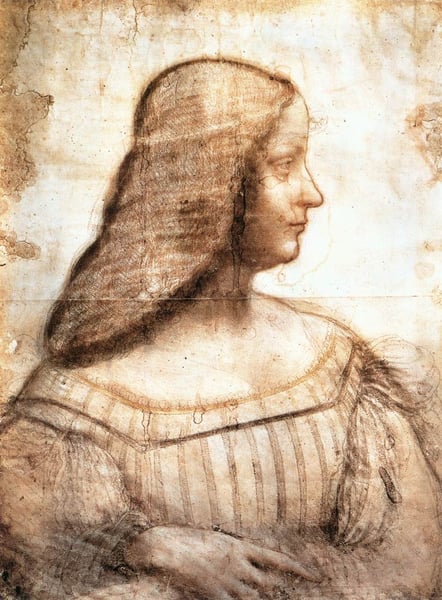
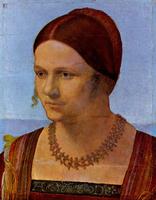
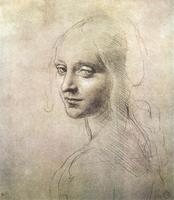
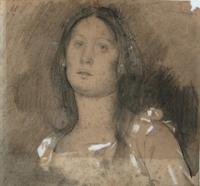
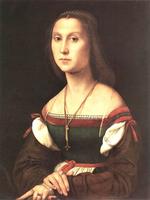
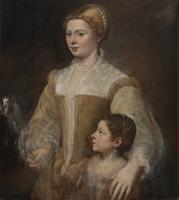
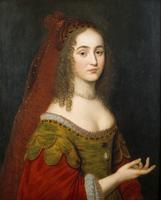
This portrait exemplifies the High Renaissance ideal of merging naturalistic observation with idealized grace. Leonardo da Vinci’s depiction of Isabella d’Este is significant for its psychological depth: the sitter’s direct, composed gaze and subtle half-smile convey both intellect and poise, reflecting the Renaissance celebration of individual character. As a portrait of a leading patron and intellectual, the work also highlights the era’s intersection of art, power, and humanist thought. Leonardo’s mastery of chiaroscuro and soft modeling—hallmarks of the High Renaissance—imbues the figure with a lifelike presence while elevating it beyond mere likeness to an enduring symbol of refined nobility.