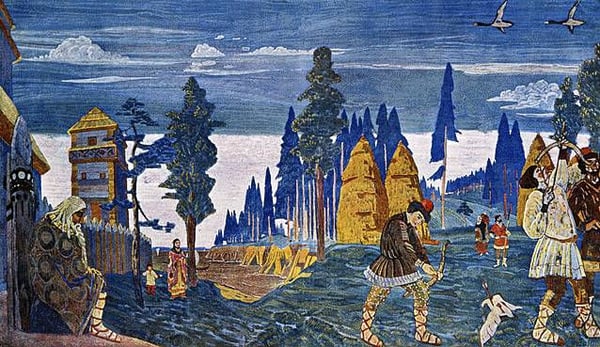
Analysis of "Pomeranians. Morning." by Nicholas Roerich
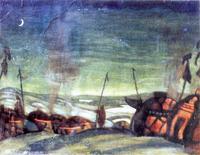
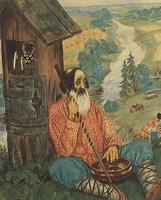
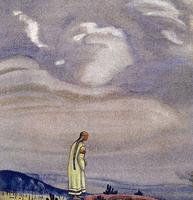
Within the framework of Art Nouveau (Modern) and the genre painting tradition, this work is significant for how it embodies Roerich’s distinctive approach to the decorative and symbolic potentials of everyday life. As an Art Nouveau piece, the painting likely employs flowing, organic lines, a restrained yet rich color palette, and a flattened, ornamental surface – all hallmarks of the style that sought to elevate mundane scenes into harmonious, aesthetic experiences. Roerich, known for his synthesis of Russian folk motifs, spiritual themes, and modernist design, applies these principles to a genre subject, transforming a simple morning moment into a timeless, contemplative composition. The painting’s significance lies in its demonstration that even the most quotidian domestic setting could be rendered with the same spiritual intensity and decorative refinement found in Roerich’s more famous Himalayan landscapes or stage designs. By doing so, it expands the scope of Art Nouveau from pure ornamentation into a vehicle for lyrical observation, marking Roerich as a key figure who bridged the movement's decorative ideals with a deeply introspective, symbolist vision.