Expert analysis of Zinaida Serebriakova’s Portrait of a young man, Marrakech
Style: Expressionism · Genre: portrait
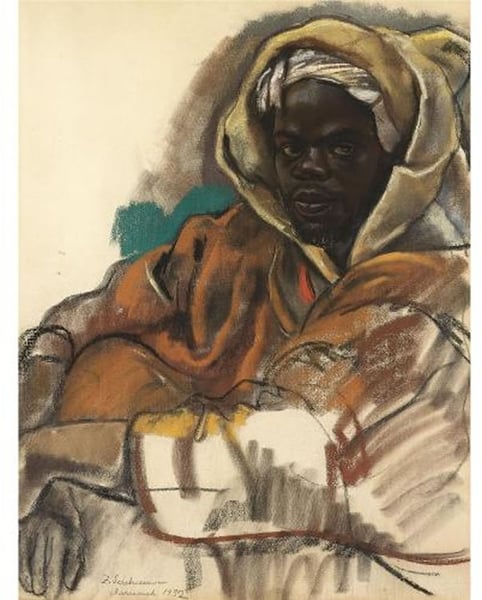
Zinaida Serebriakova’s Portrait of a Young Man, Marrakech (c. 1928) is a striking example of her move toward Expressionism during her North African sojourn. While Serebriakova is often celebrated for her earlier Impressionist-influenced portraits and nudes, this work marks a significant shift—driven by her exposure to the intense light, color, and cultural otherness of Morocco.
Significance within Expressionism and Period:
- Emotional intensity and bold color: The portrait deliberately distorts natural hues to convey psychological presence. The young man’s complexion is rendered in warm oranges and ochres, set against deep, almost acidic blues or greens, typical of Expressionist color theory where color carries symbolic weight rather than realistic description.
- Brushwork and form: Serebriakova uses swift, visible strokes that build the face’s structure with a sense of immediacy and raw energy. This technique foregrounds the artist’s subjective response over anatomical precision—a core Expressionist tenet.
- Cross-cultural perspective: Painted during her 1928 trip to Marrakech, the work exemplifies how Western artists of the early 20th century used Expressionism to grapple with the “exotic” subject. Unlike Orientalist stereotypes, Serebriakova’s portrait avoids romanticized passivity; the young man’s gaze is direct, almost confrontational, granting him agency and individuality.
- Gender and artistic identity: As a female artist working in a male-dominated modern movement, Serebriakova’s adoption of Expressionism here was also a declaration of independence. Her departure from the Russian realist tradition (after fleeing the Bolshevik Revolution) mirrors the Expressionist avant-garde’s break with convention—making this portrait both a personal and stylistic landmark.
In short, Portrait of a Young Man, Marrakech is significant not only as a masterful Expressionist portrait but as a document of cultural encounter, artistic reinvention, and the emotional power of color that defines the movement’s lasting impact.
Visually similar
20 works with related composition and palette
Moroccan in Green
Zinaida Serebriakova
Thoughtful men in blue. Marrakesh
Zinaida Serebriakova
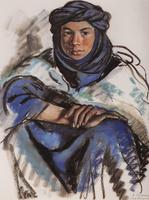
Moroccan in blue
Zinaida Serebriakova
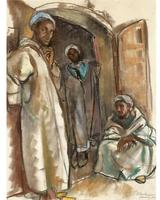
Three figures in the doorway. Marrakesh
Zinaida Serebriakova
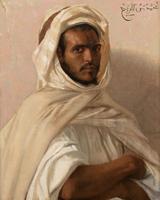
Portrait of a North African
Alexandre Cabanel
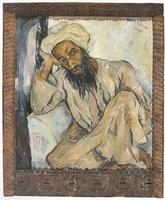
Arab Priest
Irma Stern
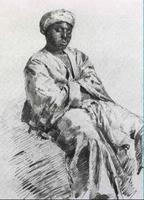
A sleeping Moor
Alfred Dehodencq
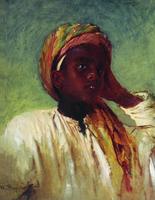
Arab Boy
Konstantin Makovsky
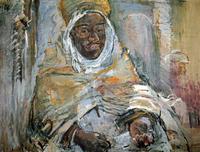
The Morabito of Temacina
Oskar Kokoschka
Whacky, seated on the ground (Study to "Boyarynya Morozova")
Vasily Surikov
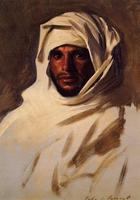
A Bedouin Arab
John Singer Sargent
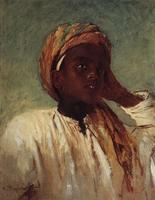
Portrait
Konstantin Makovsky
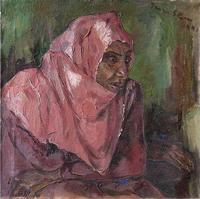
Portrait of a Woman Wearing a Pink Hijab
Irma Stern
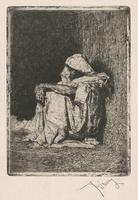
Seated arab
Marià Fortuny
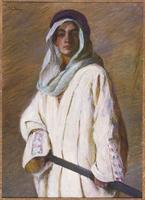
Portrait of Kahlil Gibran
Lilla Cabot Perry
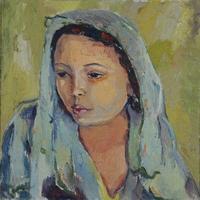
The Bride
Irma Stern
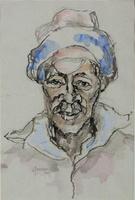
Portrait of a Man
Gregoire Boonzaier
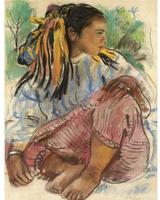
Portrait of a young girl. Marrakesh
Zinaida Serebriakova
Portrait of a Turk in a Turban
Eugene Delacroix
Portrait of a young Moroccan
Zinaida Serebriakova