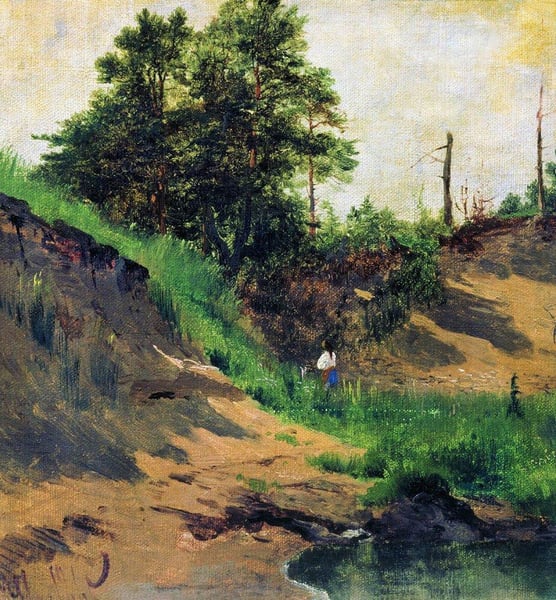
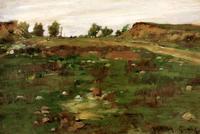
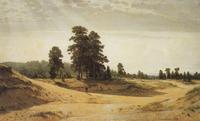
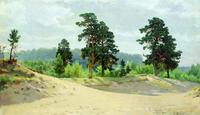
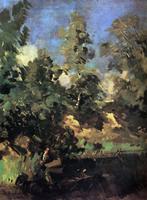
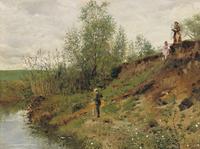
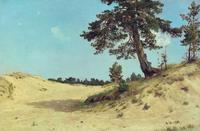
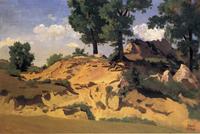
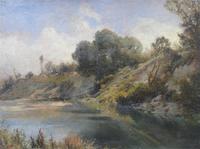
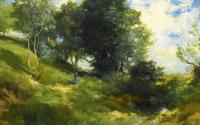
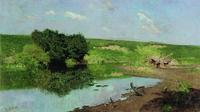
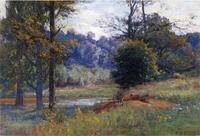
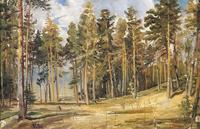
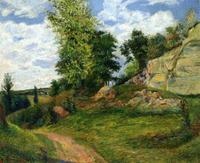
Based solely on the structured facts provided, the significance of Ivan Shishkin’s Landscape lies in its embodiment of the Realist style within the landscape genre. Realism demanded meticulous, unidealized observation of nature, and as a landscape, the work exemplifies this by focusing on the direct, detailed transcription of the natural world. Shishkin’s Landscape is thus a representative example of how Realist artists elevated the ordinary, observable environment—without allegory or romantic embellishment—into a subject worthy of serious artistic treatment. The painting’s significance is in its faithful recording of a specific place, making it a document of both the artist’s technical skill and the broader Realist commitment to truth over imagination.