Diego Velazquez の A Knight of the Order of Santiago の専門的な分析
スタイル:Baroque · ジャンル:portrait
Expert Analysis of A Knight of the Order of Santiago by Diego Velázquez
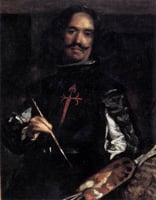
Diego Velázquez, the leading figure of the Spanish Golden Age and a master of the Baroque style, created this portrait with a characteristic blend of naturalism, psychological depth, and understated grandeur. The painting belongs to the genre of aristocratic portraiture, yet it transcends mere documentation to become a meditation on status, identity, and the artist’s own aspirations.
Significance within the Baroque Style
Velázquez’s work is a paragon of Baroque realism, distinguished by its restrained palette, masterful chiaroscuro, and loose, confident brushwork. Unlike the theatrical dynamism of Italian Baroque, Velázquez achieves drama through quiet intensity. The sitter’s face is modeled with soft, dissolving brushstrokes that capture the transient effects of light—a hallmark of Velázquez’s alla prima technique. The dark background and subtle illumination of the knight’s black costume and white ruff focus all attention on the subject’s solemn expression, emphasizing the individual’s inner life rather than outward ornament.
Context and Symbolism
The subject wears the iconic red cross of the Order of Santiago, a military and religious order of knighthood associated with the Spanish monarchy. This emblem is not merely decorative; it signifies the sitter’s elite social standing, piety, and loyalty to the Crown. For Velázquez, who spent years seeking admission to this very order, the painting carries personal resonance. The artist himself would later be knighted into the Order of Santiago, famously adding the cross to his own self-portrait in Las Meninas. Thus, this portrait participates in a visual discourse on honor and social mobility, reflecting the Baroque preoccupation with status and the tension between individual merit and inherited rank.
Psychological Penetration
What makes this portrait significant is Velázquez’s ability to convey the sitter’s character without idealization. The knight’s gaze is direct yet reserved, his expression dignified but not haughty. The slight asymmetry of his features and the careful rendering of his aging skin suggest a real person, not a type. This naturalism—a core achievement of Velázquez’s portraiture—aligns with Baroque humanism, which sought to capture the complexity of human experience. The work stands as a testament to the artist’s belief that even in formal portraiture, truth and individuality must prevail.
Legacy
A Knight of the Order of Santiago exemplifies how Velázquez transformed the portrait genre into a vehicle for psychological insight and social commentary. Its significance lies in its fusion of Baroque technical mastery—light, texture, and composition—with a deeply personal exploration of identity and honor, making it a timeless study of human presence within the rigid codes of 17th-century Spanish society.
視覚的に類似
構図やパレットが近い作品 20 件
Adriaan Pauw
Gerard van Honthorst
Portrait d'un cardinal
Thomas de Keyser
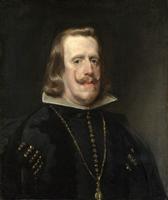
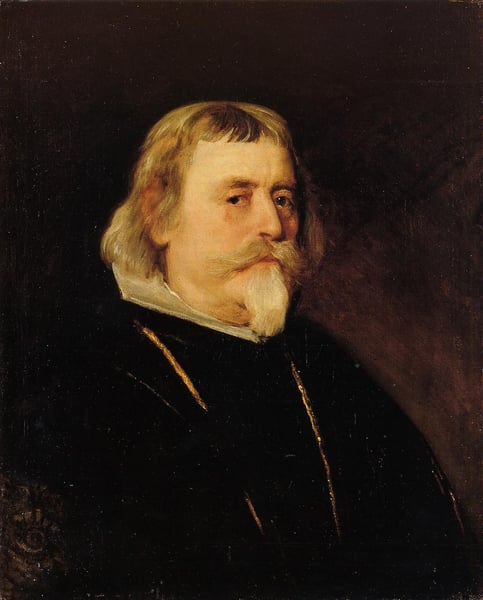
Portrait of Philip IV of Spain
Diego Velazquez
Portrait of a Bearded Man
Aelbert Cuyp
PORTRAIT OF A BEARDED MAN WEARING A SKULLCAP, SAID TO BE THE MAYOR OF DORDRECHT
Jacob Gerritsz Cuyp
Edward Nicholas
William Dobson
Self portrait
Eduard Ender
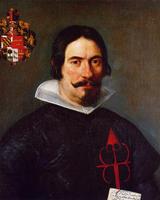
Francisco Bandres de Abarca
Diego Velazquez
Portrait of a bearded man, bust length, in a red doublet
Rembrandt
Louis Lemaistre De Sacy
Philippe de Champaigne
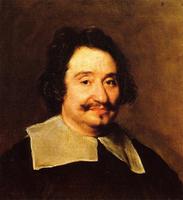
Miguel Angelo, Barber to the Pope
Diego Velazquez
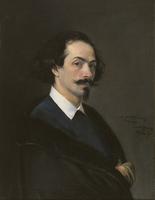
Painter Mathias Moreno
Carolus-Duran
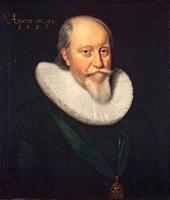
John Erskine (c.1562–1634), 2nd Earl of Mar, Lord High Treasurer of Scotland
Adam de Colone
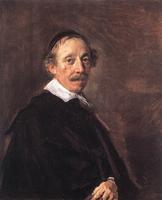
Portrait of a Preacher
Frans Hals
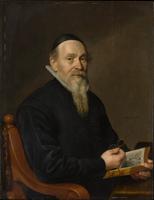
Portrait of a Man, Possibly a Botanist
David Bailly
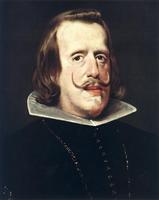
Portrait of Philip IV
Diego Velazquez
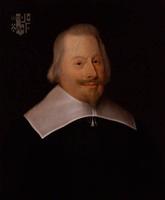
John Pym (1584–1643)
Edward Bower
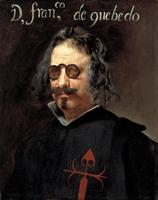
Retrato De Francisco De Quevedo (after Velázquez)
Juan van der Hamen
Self-Portrait
Gian Lorenzo Bernini
Self-portrait
Adam Elsheimer