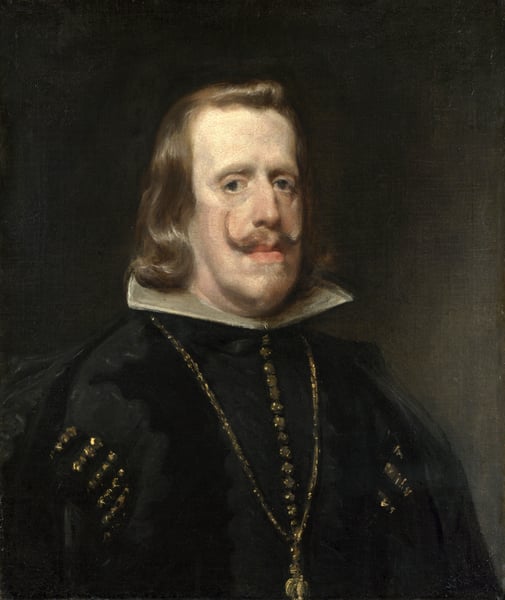
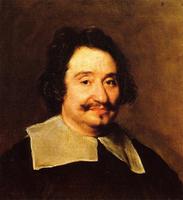
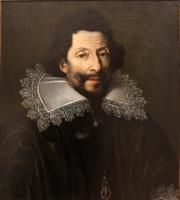
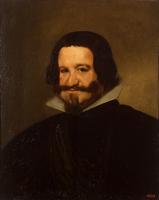
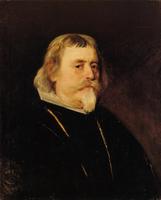
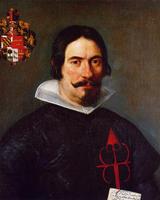
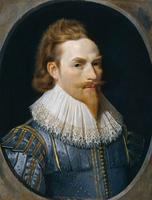
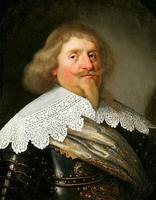
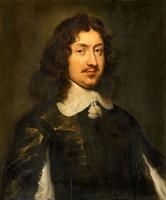
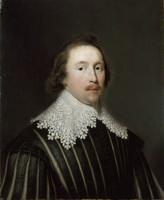
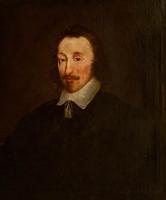
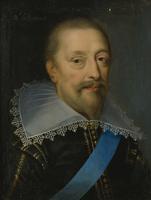
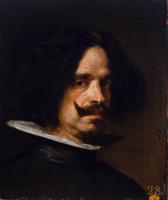
While the supplied facts are limited to title, artist, style, and genre, an analysis grounded in these elements can still highlight significance. As a Baroque portrait by Diego Velázquez, this work exemplifies the period’s move away from rigid courtly representation toward psychological depth and naturalism. Velázquez’s mastery of light and shadow—central to Baroque tenebrism—imbues the monarch with both authority and human vulnerability, a hallmark that distinguishes his portraits from more formal predecessors. The genre of portraiture is elevated here; rather than merely documenting Philip IV’s likeness, Velázquez captures the tension between royal power and personal introspection, making the painting a key example of how Baroque artists used realist techniques to convey inner life. This approach would later influence modern portraiture, cementing the work’s significance within both Spanish Baroque painting and the history of art.