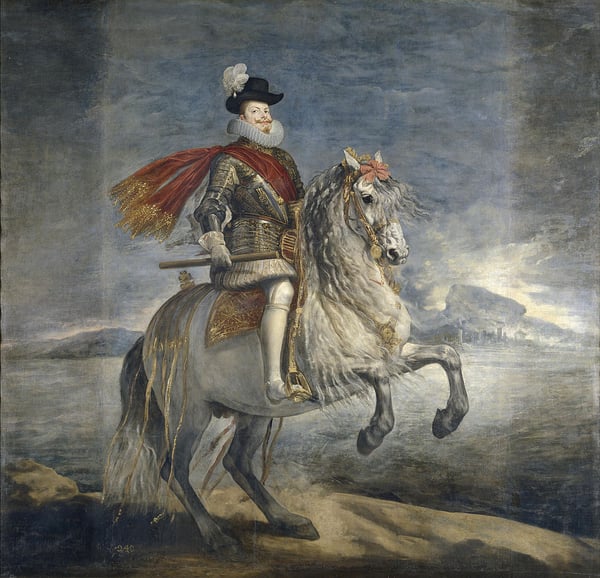
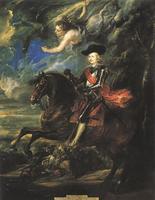
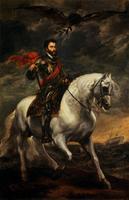
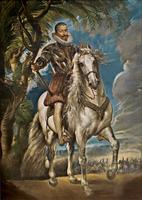
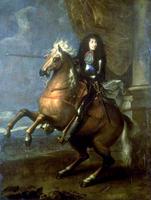
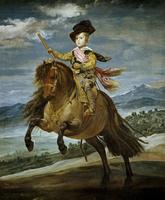
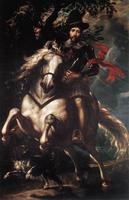
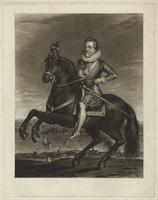
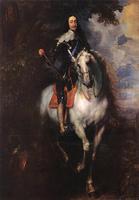
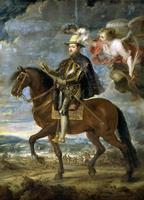
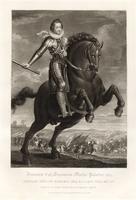
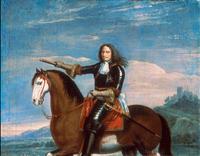
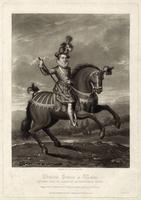
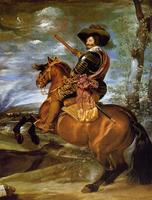
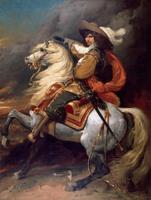
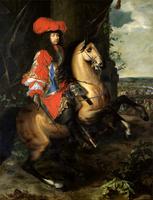
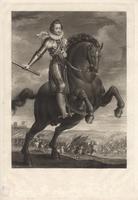
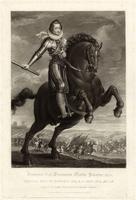
As a Baroque portrait by Diego Velázquez, the "Equestrian Portrait of Philip III" exemplifies the period's hallmark fusion of dynamic composition and regal authority. The work’s significance lies in its mastery of the equestrian portrait genre—a traditional vehicle for royal propaganda—through Velázquez’s characteristic handling of light, shadow, and naturalistic detail. The diagonal thrust of horse and rider, a common Baroque device, infuses the image with vitality and movement, while the controlled palette and subtle modeling convey both the monarch’s dignity and the artist’s technical prowess. This painting stands as a key example of how Baroque portraiture elevated political symbolism through dramatic realism and psychological presence.