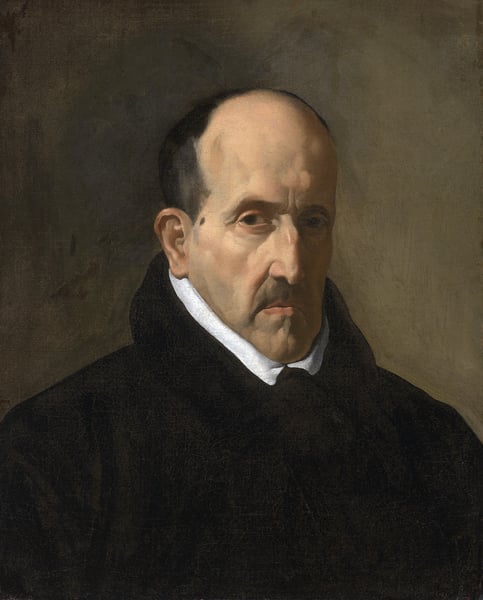
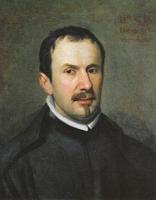
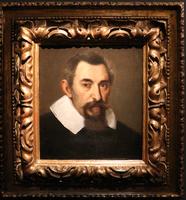
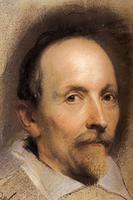
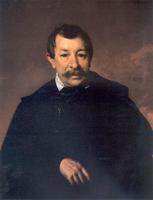
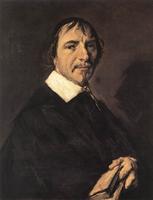
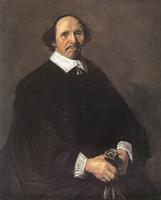
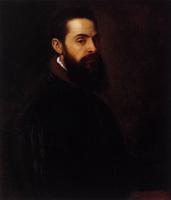
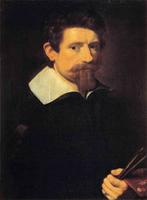
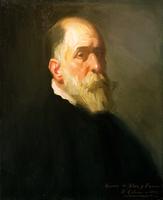
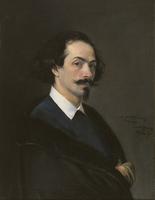
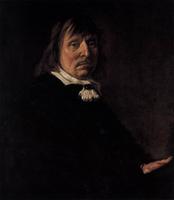
As a Baroque portrait by Diego Velázquez, Portrait of Don Luis de Góngora y Argote exemplifies the period’s shift toward psychological depth and unidealized naturalism. Velázquez captures the aging poet with stark honesty: the sallow complexion, deep-set eyes, and furrowed brow are rendered with the painterly bravura and subtle chiaroscuro typical of Baroque realism. The dark, monochromatic background and restrained palette focus attention entirely on Góngora’s intellectual intensity and world-weary expression—a deliberate departure from the flattering conventions of earlier portraiture. This work is significant because it demonstrates Velázquez’s early mastery of character study, foreshadowing the penetrating realism that would define his court portraits. Within the Baroque period, it stands as a landmark of the genre: a portrait that values truthful, even unflattering, human presence over idealized beauty, aligning with the Counter-Reformation emphasis on direct, emotional engagement.